Trump Reveals US Still Has 1-2 Targets Left to Strike in Iran, Threatens Destruction Within 10 Minutes - Thairath English
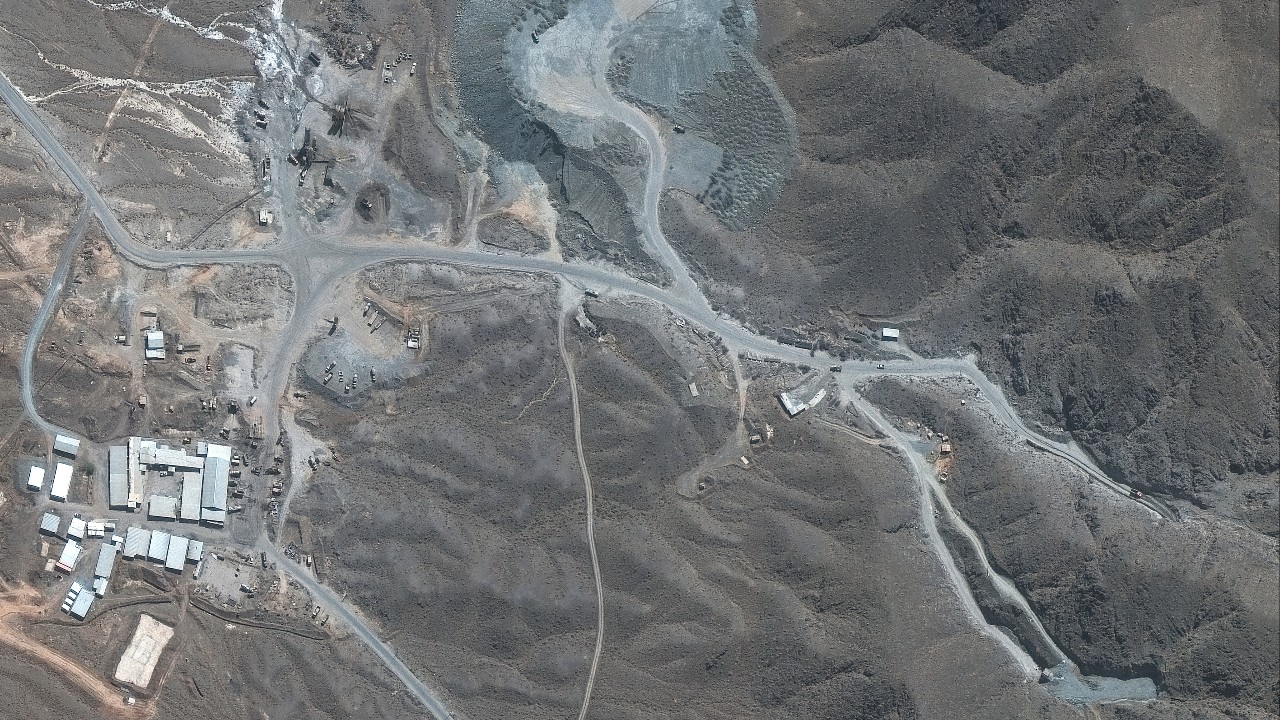
President Donald Trump stated that the US military has already destroyed most of Iran’s military capabilities and nuclear program, but there remain one or two targets yet to be addressed, especially the underground "Pickaxe Mountain" base, which can be destroyed within 10 minutes. Meanwhile, Iran’s Supreme Leader warned that if the US and Israel launch another attack, Iran will respond immediately and expand the scope of retaliation without limits.
US President Donald Trump revealed that the US military has largely destroyed Iran’s military potential, including its nuclear program, but there are still one or two targets that the US needs to strike, which can be completed within just 10 minutes.
Trump told reporters at his residence in Florida that the US still needs to deal with certain locations, including Pickaxe Mountain, suspected to be the site of an underground nuclear development center. However, the Iranian government has consistently denied any nuclear activity in that area.
The US leader also stated that negotiations to end the war initiated by the US and Israel against Iran since February are progressing well, but admitted that Iran is an unreliable negotiating partner. He emphasized that the US does not need to rush additional military operations.
Meanwhile, US Secretary of State Marco Rubio revealed that Trump has not decided whether to launch another strike against Iran but noted that the US still keeps open the possibility of resolving the conflict through diplomatic channels, although confirming that the US military has the capability to achieve its objectives if ordered.
Iran’s Supreme Leader Ayatollah Mojtaba Khamenei warned the US and Israel that if they launch another attack on Iran, the response will be immediate, intense, and geographically extensive without any limitations.
Khamenei told senior military commanders that he has ordered an update of the list of targets to include all forms of enemy assets, both tangible and intangible, belonging to the so-called American-Zionist enemy. This is reportedly the first time he has met with senior military commanders since becoming Supreme Leader in March, following the death of his father, Ayatollah Ali Khamenei, in an attack by the US and Israel.
Previously, Trump had signaled that the US might resume attacks on Iran after this week’s US midterm elections, while Israeli Prime Minister Benjamin Netanyahu described the situation as a historic opportunity to overthrow the Iranian government.
However, the results of Israel’s election on Tuesday gave Netanyahu’s political faction the most parliamentary seats but not a majority, leaving the composition of the new government unclear.
Another source of concern in the war situation is Iran’s restriction of shipping through the Strait of Hormuz, a crucial global oil transit route that normally carries about one-fifth of the world’s oil consumption.
This blockade has caused global energy prices to rise, putting pressure on the Trump administration ahead of the midterm elections, as American consumers face higher energy costs.
At the same time, Iranian state television reported that a ship passing through the Strait of Hormuz struck a naval mine and caught fire. The Islamic Revolutionary Guard Corps (IRGC) said on Friday that three oil tankers were ordered to stop after incidents or mine strikes, but did not provide further details.
Previously, Iran had warned it might consider cutting underwater cables in the Strait of Hormuz, which are vital infrastructure for international communications.
Meanwhile, diplomatic efforts to prevent renewed fighting continue, with a Qatari mediation team arriving in Tehran on Friday, while US Vice President J.D. Vance sent a letter to Mohsen Rezaei, a senior Iranian security official.
Rezaei, head of Iran’s Supreme National Security Council, told state television that he has read the letter but has not yet responded. He said the tone from the US side has changed completely, which he sees as a positive sign, but did not disclose further details.
However, Iranian Foreign Minister Abbas Araghchi stated that there are currently no plans to hold meetings with US officials, as Iran’s conditions are clear and discussions are ongoing with the countries acting as mediators.
Rezaei confirmed that Iran will continue to block the Strait of Hormuz until its demands are met, including the unfreezing of Iranian assets held abroad.
Qatar and Pakistan are serving as intermediaries coordinating negotiations between the conflicting parties, but so far no permanent agreement to end the war has been reached.
Iranian military spokesman Mohammad Aghraminia warned that if fighting resumes, the war will expand significantly. He said via social media that the flames of war will spread to a much wider geographical area. Meanwhile, Araghchi warned that if a new attack occurs, there will be no red lines or limitations anymore.