'This is not minor': Peptide warning after surge in NSW hospital visits - ABC News & Headlines – Australian Broadcasting Corporation
Hospital visits related to the use of unapproved peptide use has surged in NSW, authorities say. (ABC News)
A surge in hospital presentations linked to unapproved peptide use has prompted a warning from health authorities.
New data from NSW Health shows monthly visits increased from 5 in July 2025 to 220 last month.
Health Minister Ryan Park says people should only use peptides prescribed by GPs and dispensed by pharmacies.
A surge in hospitalisations related to the use of unapproved peptides promoted as "wellness" products has prompted a warning from NSW health authorities.
New data from NSW Health shows 1,180 people turned up to hospital emergency departments across the state between July last year and September this year seeking treatment after taking unapproved peptides.
Monthly hospital presentations increased from just 5 in July 2025 to almost 220 last month.
Peptides are short chains of amino acids that make up proteins in our bodies and there are a number of peptide-based medicines that are approved by the Therapeutic Goods Administration (TGA).
But unregulated peptides have exploded in popularity on social media, with promises of weight loss, aging reversal and muscle growth.
Tim Jones, chair of child and young person's health at from the Royal Australian College of General Practitioners, said the situation was extreme and widespread.
"Here in my home state of Tasmania, it mirrors what the New South Wales report shows," he said.
"It does look like there's been irreversible damage for people who will not come back from the health harm they've endured."
NSW Health Minister Ryan Park said such unapproved peptides could have serious side effects, including liver and kidney damage, allergic reactions, severe vomiting and other complications.
"People present to the emergency departments quite unwell and people need treatment, so this is not minor," he said.
"People can get very unwell, very quickly as a result of these products."
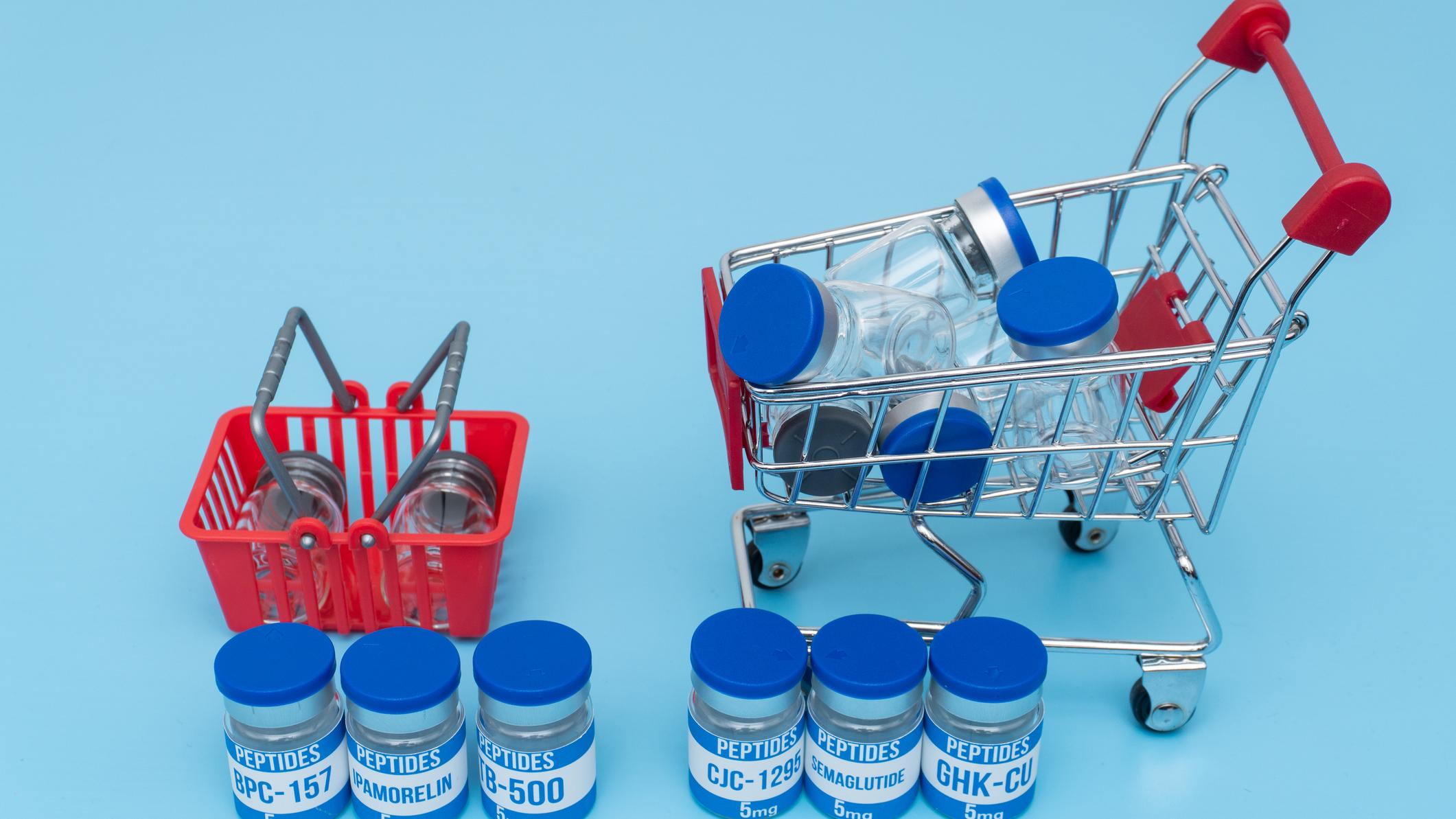
NSW Health said products that were not approved may contain peptides, including BPC-157, GHK-Cu, TB-500, retatrutide and CJC-1295.
Dr Jones said a lot of the time, products did not contain the ingredients listed or were in "vastly different doses" or mixed with other products.
"It's scaring me that people are using products that work in such complex ways without any concern for what other health implications might be."
There is concern about websites selling peptides. (Four Corners)
Mr Park said people should not buy or use unapproved products, particularly those promoted through social media and online retailers.
"I think it'll be a topic for conversation with health ministers over the next few months, simply because of the scale of increase of use across the community and the potential harms that it has on individuals."
Dr Jones said the concern with unregulated products was what the long-term impact could be.
He said he feared it was the "tip of the iceberg" because some of the effects were delayed.
"I've seen people as young as 14 tell me they've been ordering peptides online," he said.
"What I'm seeing is that at least half of the young people I'm talking to as a GP are aware or thought about accessing them."
People are being urged to talk with their usual doctor about their health goals and only use approved peptide products that have been prescribed by a qualified health practitioner in Australia.
Those already using an unprescribed peptide product are being urged to speak with a health professional before taking the next dose to ensure it is a registered medicine.
"If you haven't had a product prescribed by a GP and you haven't had it issued at a pharmacy, please don't use it," Mr Park said.