The stockpile essentials you haven’t thought of, but will really need in an emergency - The Independent
Want to bookmark your favourite articles and stories to read or reference later? Start your Independent Membership today.
It appears that the British response to the possible collapse of civilisation has been to buy, quite frankly, an absurd amount of soup.
Over the weekend, supermarkets reported a sharp spike in the sales of tinned food after the government launched its Be Ready campaign, encouraging households to stock up on three days’ worth of supplies in case of emergencies. It’s been rather persuasive. Some soup and bottled water brands have already run out on Ocado.
Supermarkets insist there’s still plenty to go around, but before you start stockpiling Heinz, perhaps you should take this as an opportunity to get creative.
I say this because I spent a week living entirely off the type of food the government recommends keeping in the house – the kind you can’t cook or keep in the fridge – and let me tell you: I did not die of bean-induced boredom.
My advice is simple: spend less time in the tinned aisle and far more time with the condiments, thinking about all the ways you can make your 17th bowl of beans more bearable.
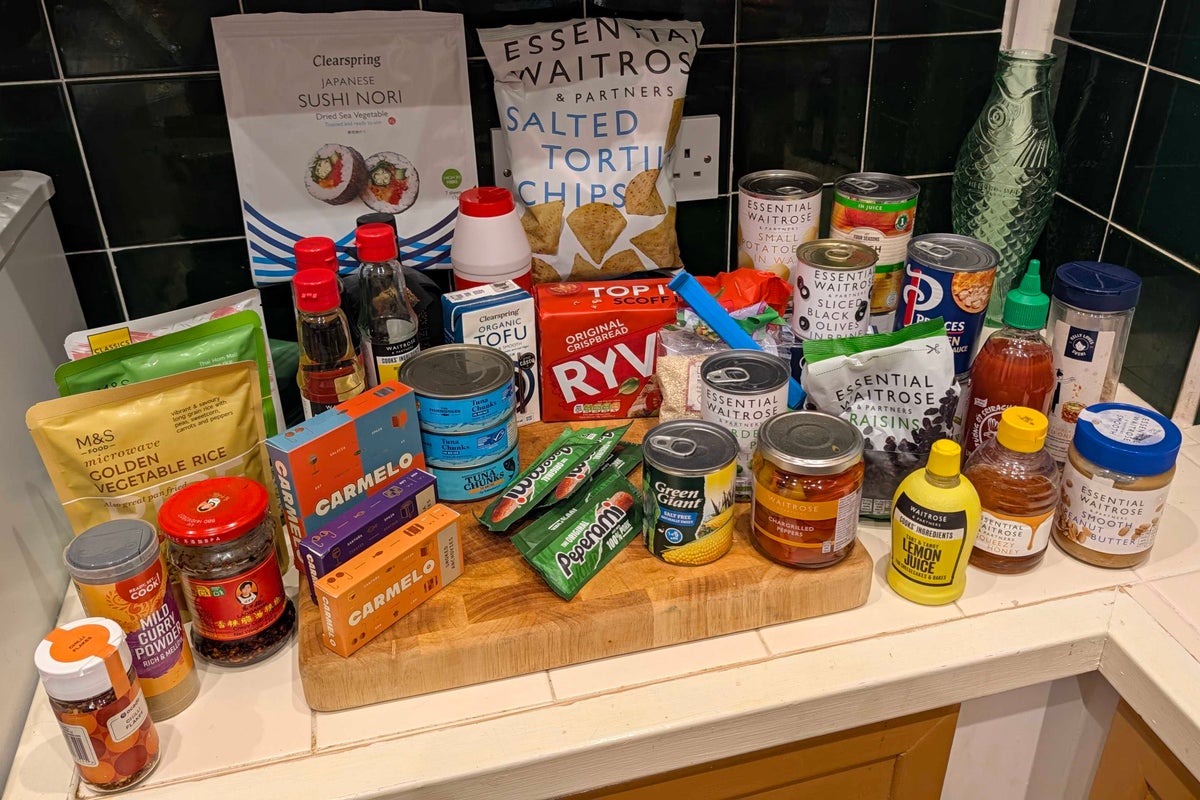
Because I did. I managed a passable salade Niçoise, a rather good satay rice dish with tofu, surprisingly excellent coronation chicken and, in a moment of either ingenuity or madness, something resembling paella made with a tin of smoked mussels I found at the back of my cupboard and a fistful of mini Peperamis.
By the end, I was less concerned about surviving the apocalypse than, well, making my survival a bit more bougie. So here is my guide to what you should actually be stockpiling.
Building the foundations of your apocalypse diet isn’t difficult. Think tinned beans (black, kidney, cannellini, butter… the options are almost endless), chickpeas and lentils. Stock up on tinned veg like potatoes, peas, green beans and sweetcorn. Tinned fish like tuna, salmon, sardines and mackerel are handy in their brined form, and even better when they come in tomato or spicy sauce. That’s flavour for free. The key here is not to waste your money on expensive versions of everything. A supermarket own-brand of tinned chickpeas for 50p will do exactly the same job as the fancy one from a jar that costs eight times more.
UHT milk is worth it if you can find small cartons.
It can last for months in the cupboard and opens the door to cereal, porridge, tea and coffee, but once opened it needs to be refrigerated.
Dried pasta and rice might last until the next millennium, but they’re spectacularly unhelpful without a hob. Investing in a camping stove is a smart idea, provided you’ve got outside space to run it. If not, you’re better choosing ready-to-eat rice and grain pouches. Most of them are safe to eat cold and can be brought back to life with a good dressing.
This is where to spend your money. Everything mentioned in the section above, when properly dressed and seasoned, is better than they have any right to be. I would eat them again. Possibly voluntarily.
A decent extra virgin olive oil brings richness, flavour and some much-needed energy to otherwise austere food. It is one of the purchases for which paying just that bit more makes an enormous difference that you can actually taste. Whip it up with minced garlic, mustard, salt and pepper and you’ve got yourself a delicious dressing that is automatically apocalypse-friendly. Investing in some flavoured oils (truffle, basil, garlic, lemon, chilli) is also a relatively cheap way of adding flavour when fresh food is in short supply.
Acidity makes cold food brighter, cuts through oily fish and rescues pulses from blandness. Red and white wine vinegar are the most versatile, cider and rice wine vinegar are useful in particular dishes, and balsamic makes for a great dressing. Balsamic glaze in a squeeze-y bottle is great too, as it doesn’t need to go in the fridge, can last a few months and makes dull cold food not only taste better, but look pretty.
They take up little room, keep for a long time and mean chickpeas needn’t taste identical on Monday and Thursday. Smoked paprika made my improvised paella taste vaguely as though it had been cooked. Cumin, garam masala, and curry powder are essential. As are ground garlic and ginger to replace the fresh stuff. Dried herbs of all kinds are worth stocking up on.
Soy sauce, Marmite and anchovies deliver a concentrated flavoursome punch. Peanut butter is especially versatile: with soy sauce, vinegar, chilli and water it becomes a passable satay dressing. Mine, served over ready-to-eat rice and shelf-stable tofu, was one of the week’s more convincing dinners. Not bad without a kettle.
After days of soft beans, soft potatoes and soft everything else, the desire to crunch something becomes powerful. Crispy onions, nuts, seeds, Ryvita and crisps earn their place. So do biscuits and chocolate. Even in a national emergency, life needn’t become an exercise in self-denial.
Tuna in brine for 60p is perfectly respectable, but I would beg you to consider investing in some more interesting alternatives. I particularly love The Tinned Fish Market’s tuna belly in Jersey butter and the smoked mussels shone in my apocalypse paella. There’s plenty of other options out there and many of them are worth the investment.
Buy fresh garlic. Yes, fresh. Whole bulbs can last for weeks, sometimes months, somewhere cool, dry and well ventilated. Onions and potatoes keep well too. The supposedly more convenient jars of chopped garlic and ginger are often less useful: many need to be refrigerated after opening. Without a fridge, whole garlic and dried seasonings win.
Mango chutney is another excellent investment. It turned tinned chicken in white sauce into something approaching coronation chicken, and some varieties keep in the cupboard even after opening.
The same goes for mustard and hot sauce like sriracha. Bottled lemon juice, meanwhile, might sound smart but it quickly loses its flavour and spoils if not refrigerated.
Portions matter. Without refrigeration, leftovers quickly become a problem. Small tins and single-serving sachets of things like tomato puree may cost more per gram but save on waste. A giant jar is no bargain when you have to throw away half of it.
A manual tin opener is essential, but a sieve is just as useful. I spent an extraordinary amount of time draining chickpeas, peas and potatoes. A bowl, sharp knife and cutlery help too. One doesn’t generally associate the end of the world with a substantial amount of washing up, but it would appear to be unavoidable.
So are wipes suitable for food-contact surfaces when water is scarce. Keep hand sanitiser and clean water too. Government guidance recommends at least 2.5 to three litres of drinking water per person per day for survival, and more for hygiene. If you’re using it to rinse tins, wash hands or clean utensils, it will disappear quickly.
Build up your supplies gradually, use them in normal meals and replace what you eat. It’s cheaper and less wasteful than keeping a bunker full of tins until they expire.
After a week of emergency eating, I missed cheese, hot meals and being able to put a saucepan on the hob. But I also learnt that eating well without electricity is perfectly possible, provided you’re willing to put some thought into it.
If the lights go out tomorrow, I know what I’ll be reaching for. Not the baked beans. But the olive oil, vinegar and smoked paprika.
And, rather less romantically, the sieve.
At The Independent, our mission is to deliver unbiased, fact-based journalism. Journalism that's free from political allegiances and the influences of shareholders and commercial interests.
But we need your help. Your support enables us to uncover crucial stories that would otherwise have gone untold, hold power to account, and amplify voices often unheard.
Whether $5 or $50, every contribution counts. It fuels our reporting, invests in investigations, and maintains our independence.
It’s a reminder that our trusted, fact-based, free-thinking journalism remains available to everyone thanks to the generosity of our readers. To show your support and help us tell more of the stories that matter, please make a donation today.
Not ready to donate? Choose 'Maybe later' to start reading.