The Price Nobody Can See: A Maryland grocer’s case for fixing African farm trade - Vanguard News
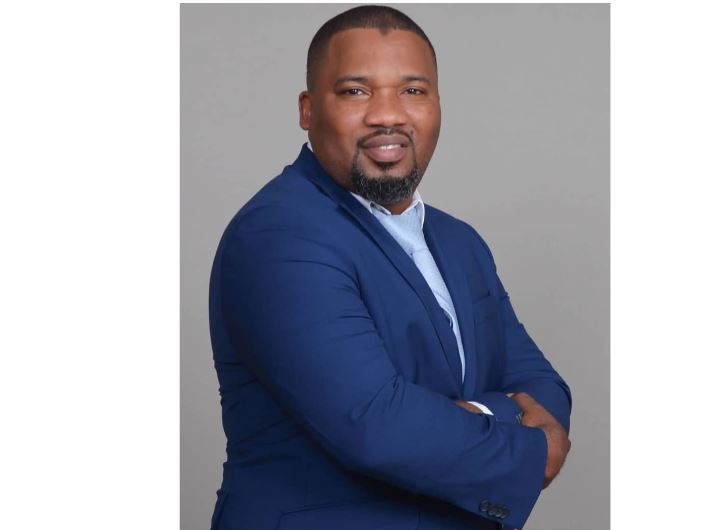
Bashir Azeez runs two African grocery stores in Maryland. His next venture, Baagrilink, asks why the people who grow the food often know the least about what it is worth.
A trader’s first question is always the same: what is it selling for? Bashir Azeez learned to ask it as an apprentice at Idumota, Lagos, where margins were made or lost on who knew the price first. Years later, from the counter of a grocery in Beltsville, Maryland, he noticed that the question still has no easy answer for many of the farmers who grow what his customers buy.
That observation is the starting point for Baagrilink, an agritech venture now in its planning and prototype stage. It will not, on its own, repair African agriculture. But the problems it targets are real and documented, and the way Azeez came to them is unusual: from the demand side of the chain, not the farm.
Baagrilink is built around four gaps that Azeez says he has seen first-hand.
The fourth is the one that links the others. Without visible prices, lenders struggle to value a harvest, buyers cannot plan supply, and storage investments are hard to justify.
Most agritech ventures begin on the supply side, with farmers, inputs or yield. Azeez begins at the till. Since taking over an existing store in October 2017, he has run Abartfoods, an online and in-store African grocery serving customers in Beltsville and Wheaton. Its customers come from a range of ethnic backgrounds.
That business shows him, week by week, what households buy, how often, and what they pay. It is a demand-side view that he can bring to the design of Baagrilink.
Retail also offers a view of where supply chains can fail: at the handovers. A product can be good at the farm and poor on arrival.
Baagrilink is in its planning and prototype stage, and Azeez is building relationships with farmers. The platform is in testing and scheduled for launch.
So far it has built three tools. A classified-ads listing system lets farmers list their products and customers connect with them directly. A farm and livestock management system lets farmers monitor their work from planting to sale. And a soil test kit measures eight parameters, including soil salinity, pH, nitrogen, phosphorus and potassium, with an AI agronomist integrated to interpret the results and make recommendations.
This is early, and it should be read that way: a prototype in testing, not a proven model. The questions a serious investor will ask are the obvious ones. How many farmers will use it? What happens to their prices and losses? Who pays, and what does it cost to serve each farmer? Azeez says his next milestone is bringing in investors.
FAO figures reported in its Food Outlook put sub-Saharan Africa’s food import bill at about US$63 billion in 2024. In Azeez’s reading, that import bill and farmers’ difficulty reaching buyers are parts of the same trade problem. Diaspora retail adds a third element: millions of African-born residents in the United States already create demand for food from home. If that demand can be matched reliably to African supply, the trade bridge Azeez keeps describing becomes commercially plausible.
This is a projection. It depends on execution, funding and regulation, and Azeez’s early-stage results will matter more than his ambitions.
Will farmers trust a platform run by someone based in Maryland? Azeez’s history is part of the answer. He grew up in Lagos, apprenticed in its markets and worked in its banks and trading houses. Trust in any market tends to be built slowly, in person, and by being right about the price. Whether Baagrilink earns it will depend on what happens after launch.
Sources: African Development Bank data as reported by How We Made It in Africa (howwemadeitinafrica.com); World Bank, Is Post-Harvest Loss Significant in Sub-Saharan Africa? (worldbank.org); FAO Food Outlook, as reported by Food Business Africa (foodbusinessmea.com); Migration Policy Institute (migrationpolicy.org). All other facts are from Bashir Azeez.
Comments expressed here do not reflect the opinions of Vanguard newspapers or any employee thereof.