Senate passes public security overhaul, in victory to Lula - Valor International
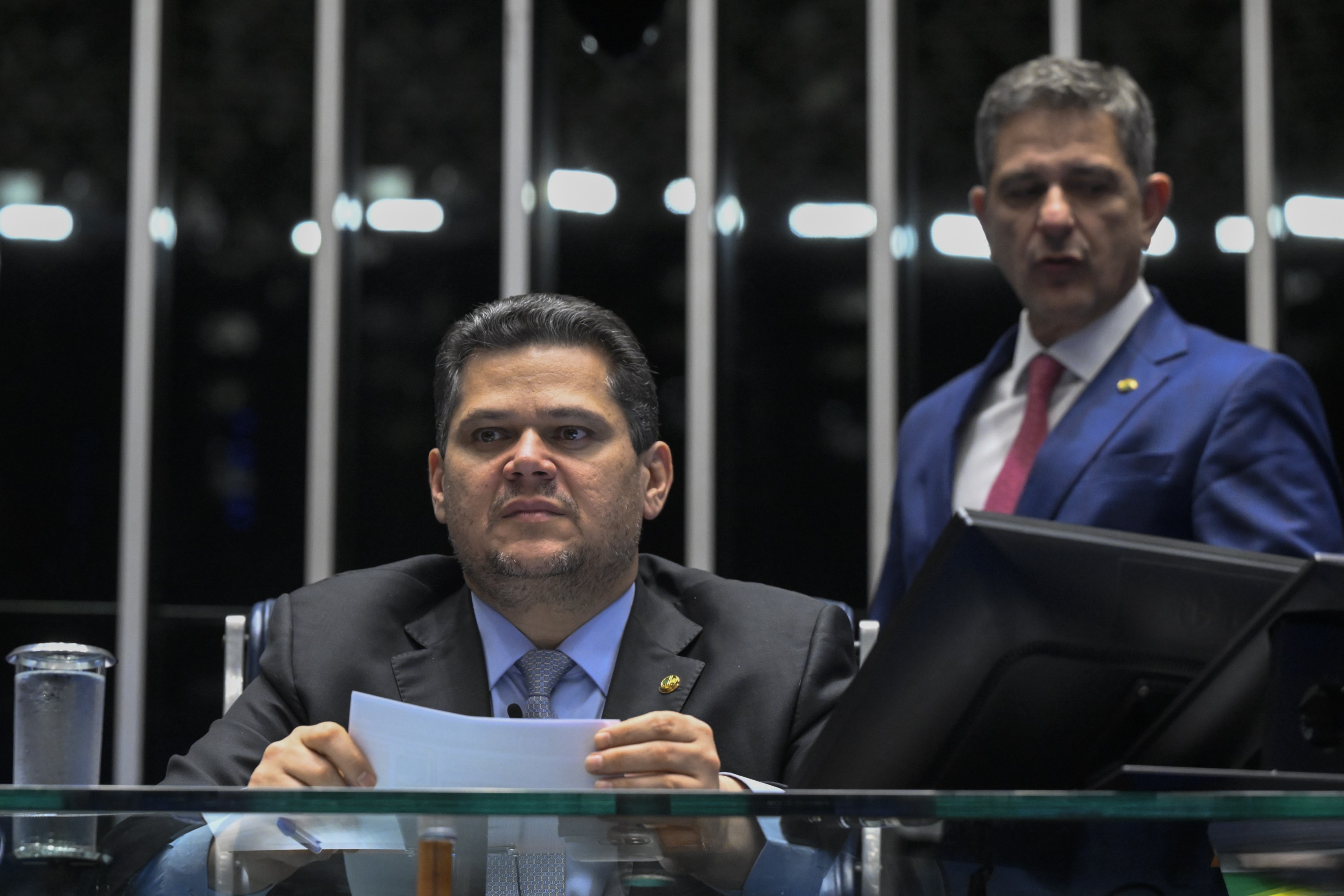
In a victory for the government, the Senate approved on Tuesday night (3) a proposed amendment to the Constitution (PEC) that changes the country’s public security legal framework. With Congress’s approval secured, President Luiz Inácio Lula da Silva (Workers’ Party, PT) is expected to announce soon the creation of a ministry dedicated specifically to public security, an area currently under the responsibility of the Ministry of Justice. The measure was approved unanimously.
The vote came after lengthy debate over two amendments dealing with lowering the age of criminal responsibility. The issue was not included in the original text of the PEC but was added following a maneuver by the opposition ahead of the second round of the election. In an attempt to overshadow a victory for Lula through the bill’s approval, Bolsonaro supporters introduced an amendment proposing to lower the age of criminal responsibility to 14 for certain types of crimes.
Aware of majority public support for some reduction in the age of criminal responsibility, the government coalition introduced an alternative proposal setting the threshold at 16 for heinous crimes. With no agreement reached on either proposal, the Senate decided that the two measures would proceed separately, in the form of an independent constitutional amendment. Approval of this plan, however, was narrow, with 38 votes in favor and 36 against.
The expectation now is that the new PEC could be put to a vote as early as Wednesday’s session (4). A request to change the legislative timetable will be submitted to the Senate’s Board of Directors, allowing the text to be considered immediately. The likely outcome is an agreement around the government’s proposal, lowering the age of criminal responsibility to 16 in cases involving heinous crimes.
Before final approval, an amendment introduced by the Liberal Party (PL) was incorporated into the text. It addresses the allocation of funds to the Armed Forces when they operate alongside other security forces. The change was made through a drafting amendment, which means the text does not need to return to the Chamber of Deputies for further consideration.
From the U.S., where he fled after losing the presidential election, Senator Flávio Bolsonaro (PL of Rio de Janeiro) registered his attendance remotely and voted in favor of the proposal. He had criticized the text during the campaign.
The PEC reorganizes the division of law enforcement responsibilities among the federal government, states, and municipalities, expands the powers of police agencies and establishes the basis for tougher criminal treatment of gangs and militias. The text also changes funding arrangements and authorizes the creation of municipal police forces with both visible policing and community policing duties.
The proposal’s central element is the inclusion of the Unified Public Security System (Susp) in the Constitution. Created by law in 2018, the system will gain constitutional status, providing for the integration of federal, state, and municipal law enforcement. The PEC establishes task forces, the sharing of strategic information and evidence, and links between databases. The federal government will assume a more structured role in coordinating public security policies without taking command of state police forces.
In practice, the aim is to enable law enforcement agencies to operate in a coordinated manner against organizations whose activities extend beyond state borders. The proposal establishes rules governing data processing, including classified information, as well as joint operations involving officers from different institutions.
Regarding the police structure, the PEC strengthens the role of the Federal Police (PF) in combating criminal organizations operating across state or international borders. The Federal Highway Police (PRF) will retain its current name but will gain responsibility for visible policing on railways and waterways. The version submitted by the government proposed renaming the force the Federal Road Police, but the change was dropped in the Chamber of Deputies.
Municipalities will be allowed to establish civilian police forces subject to external oversight by the Public Prosecutor’s Office. Authorization will depend on requirements such as financial capacity, standardized training and periodic assessments by state public security councils.
Positions will be filled through competitive civil service examinations or by converting positions held by municipal guard personnel who meet the requirements. The text bars municipalities from maintaining both a municipal guard and a municipal police force with overlapping responsibilities.
Another initiative is the creation of the Penal Policy System, focused on the custody, correction, and social reintegration of inmates. The proposal details the responsibilities of penal police forces and the agencies overseeing the system, including organizing visits, imposing administrative sanctions, and operating security technologies. The allocation and transfer of inmates must follow technical and legal criteria.
In the fight against organized crime, the text requires legislation establishing harsher penalties and a special regime for members and leaders of criminal factions, militias, and paramilitary organizations, with penalties proportionate to their position in the hierarchy. Measures include imprisonment in maximum-security facilities and restrictions on sentence progression, provisional release, and other benefits. Implementation of these rules will still depend on further regulation.
The PEC also provides for the confiscation, without compensation, of assets linked to criminal activities, holds companies involved in such activities accountable, and establishes protections for whistleblowers and their families. It also incorporates into the Constitution victims’ rights to protection, information, assistance and participation in criminal proceedings. Another provision suspends the political rights of pretrial detainees for as long as they remain in custody, even if they have not been convicted in a final ruling.
Regarding funding, the text gives constitutional status to the National Public Security Fund and the National Penitentiary Fund and requires that half of their resources be transferred to the states and the Federal District. It provides for 10% of the annual financial surplus of the Social Fund, which receives revenue from Brazil’s pre-salt oil reserves, to be allocated to these funds, with a gradual implementation between 2027 and 2029. It also protects funding for the sector against budget freezes, except in cases of revenue shortfalls.
Drafted during Ricardo Lewandowski’s tenure as Justice Minister, the PEC was submitted by the government in April 2025 and approved by the Chamber of Deputies in March 2026, with its scope expanded. In the Senate, the Constitution and Justice Committee (CCJ) approved the main text in September and completed its review on October 14. The committee’s report removed a provision earmarking revenue from online betting companies to fund public security.
This article was translated from Valor Econômico using an artificial intelligence tool under the supervision of the Valor International editorial team to ensure accuracy, clarity, and adherence to our editorial standards. Read our Editorial Principles.