Ramaphosa warns against illegal sale of subsidised houses at Cornubia - IOL
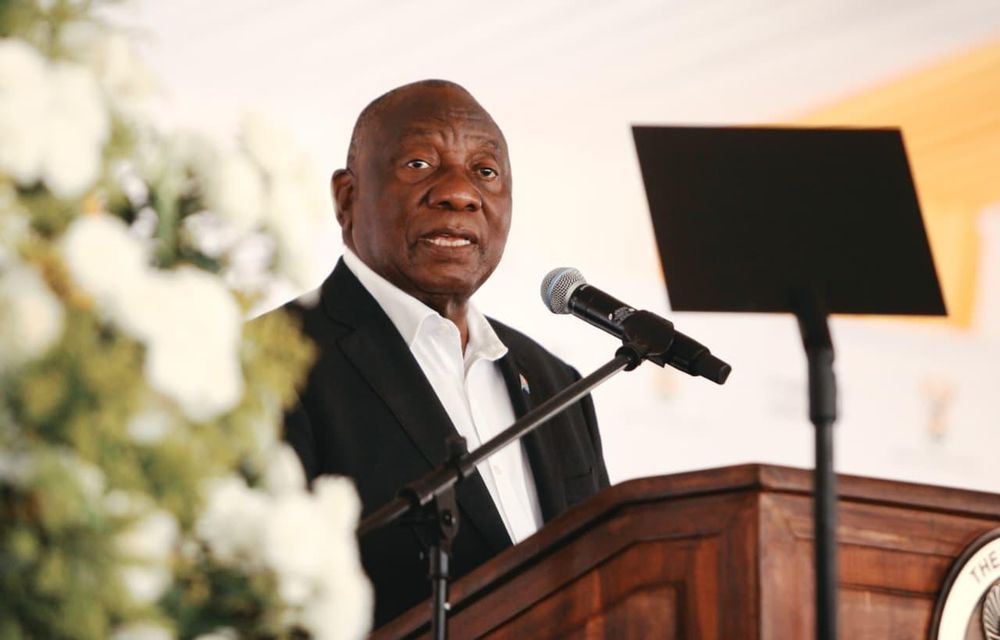
President Cyril Ramaphosa visited the Cornubia Integrated Human Settlements Project in eThekwini, where he called for transparency in housing allocations and warned against the unlawful sale or occupation of subsidised houses.
President Cyril Ramaphosa has warned against the unlawful sale and occupation of subsidised houses, calling for greater transparency in housing allocations as families displaced by the 2022 KwaZulu-Natal floods continue to be relocated to permanent homes.
Ramaphosa made the remarks on Thursday during a visit to the Cornubia Integrated Human Settlements Project north of Durban, where government is providing permanent homes to families displaced by the devastating KwaZulu-Natal floods of April 2022.
The project forms part of government’s efforts to move flood survivors out of temporary accommodation and into permanent housing. Four years after the disaster, some affected families have received homes, while others are still waiting for relocation.
Ramaphosa said communities needed clear information about who qualified for housing, how many units would be allocated and when construction projects would be completed.
He warned that a lack of communication could fuel rumours of fraud, queue-jumping and interference with beneficiary lists.
“Our people are patient for as long as they are told the truth,” Ramaphosa said.
He called on government departments and implementing agencies to provide regular updates on construction and relocation processes so that people did not have to rely on rumours to understand how houses were allocated.
“We must communicate with them. We must tell communities clearly who is eligible and how many units are going to be allocated,” he said.
Ramaphosa also urged communities to protect housing developments and report suspected wrongdoing.
“And if these happen, they must be reported and investigated,” he said, referring to allegations of fraud, queue-jumping and unlawful occupation.
The president said government would not allow subsidised houses to be sold unlawfully or occupied outside the proper allocation processes.
“This is an outstanding human settlements development, and we ask the community as well to reject the unlawful sale or occupation of subsidised houses,” he said.
The warning comes amid previous investigations and reports concerning the alleged fraudulent sale and allocation of subsidised housing in KwaZulu-Natal.
In May, the provincial government announced an investigation into an alleged criminal syndicate linked to the sale of RDP houses. The investigation included allegations that a subsidised house intended for an eligible beneficiary had been handed to an unauthorised occupant, bypassing official allocation procedures.
In 2017, eThekwini Municipality also warned the public against buying municipal flats in Cornubia after reports that people were being offered housing in exchange for money.
The municipality said at the time that housing in Cornubia and other city developments was not for sale.
Ramaphosa said the government, municipalities, provincial departments and implementing agencies had to fulfil their responsibilities and communicate clearly with communities waiting for homes.
He said officials needed to be transparent about project timelines and explain when outstanding houses would be completed.
The president said the government was committed to ensuring that housing projects delivered permanent homes and functioning communities rather than leaving families dependent on emergency accommodation.
“Emergency accommodation must never become a permanent way of life,” he said.
He added that communities should be kept informed throughout construction and relocation processes to reduce uncertainty and prevent rumours about housing allocations.
Ramaphosa said the success of the programme depended on all parties fulfilling their responsibilities and protecting public facilities from corruption and neglect.
Ramaphosa said government would monitor the situation and introduce measures to prevent properties from being unlawfully occupied or transferred.
“We are going to be tracking that, and we have a number of measures and mechanisms to ensure that there is no forced occupation of these houses. We're putting in place a number of social security measures, if you like. As well as the real sort of property transfer measures.
“We will not allow the transfer of properties outside of the parameters that we have set. And we want our people to have title. But that title must be vested in them, and just not be sold within the timeframe that has been set by the department.”