Private-vehicle commuting falls as work-from-home share edges higher - IOL
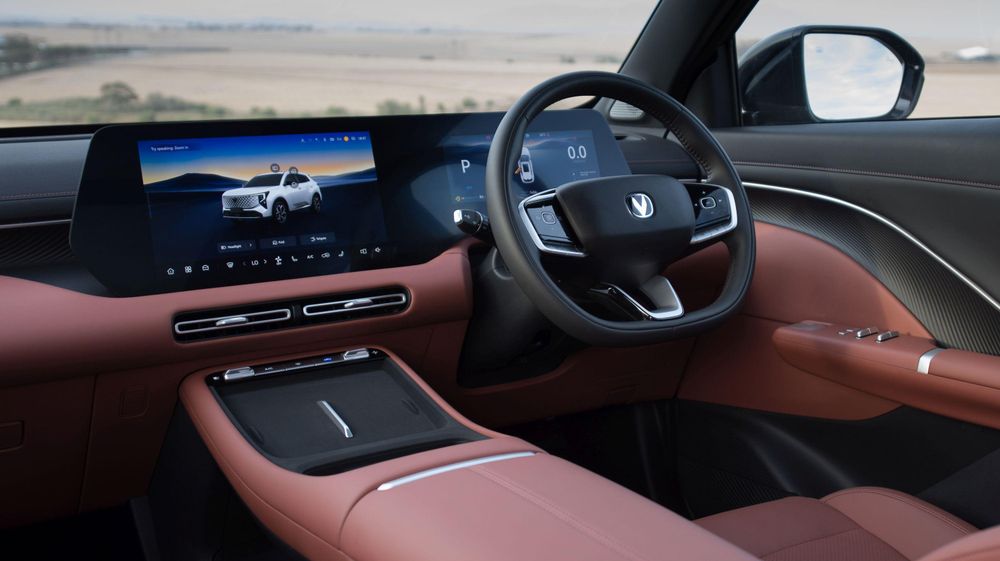
Modern cars connect to our phones, stream music and podcasts, read messages aloud, provide directions, monitor traffic and interact with us through voice assistants.
Fewer South Africans are using private vehicles to get to work, while more are working from home, according to the latest General Household Survey from Statistics South Africa.
The survey found that the proportion of workers travelling to work in their own or another private vehicle fell from 33% in 2015 to 26.3% in 2025. Over the same period, the share of workers who did not have to travel to a workplace because they worked from home increased from 11.8% to 12.3%.
The findings point to a change in how people get to work, with private vehicles accounting for a smaller share of journeys than in 2015. However, the survey does not establish whether the decline is linked to the increase in working from home.
Taxis remain a major part of the daily commute. They were used by 24% of workers in 2025, compared with 22.9% in 2015, making them the second most commonly used mode of transport after private vehicles.
Walking accounted for 22.5% of workers’ usual journeys to work in 2025, while buses accounted for 3% and trains for 0.6%.
The survey also found that 33.5% of households had at least one member who used a taxi during the week before the survey. Taxi use was most common in Gauteng, where 38.5% of households reported using taxis, followed by KwaZulu-Natal at 36.6%.
The figures highlight the continued reliance on public transport, particularly taxis, even as a larger proportion of workers do not commute to a workplace.
The shift in travel patterns is also evident in how learners get to school. Walking remained the most common way of getting to an educational institution in 2025, with 60.6% of learners walking, compared with 66.5% in 2015.
A further 14.8% travelled in vehicles hired by groups of parents, while 10.8% used their own or another private vehicle, up from 9.3% in 2015. Minibus taxis were used by 6.5% of learners, down from 6.9%, while 5% travelled in a minibus or bus provided by an institution or government at no cost.
Statistics South Africa said understanding how people travel to schools, workplaces, healthcare facilities and other essential services is important for transport planning and road safety.