Polymarket investigates suspicious trades on Israel election - The Straits Times
Polymarket is reviewing dozens of newly created wallets that traded on the Israeli election.
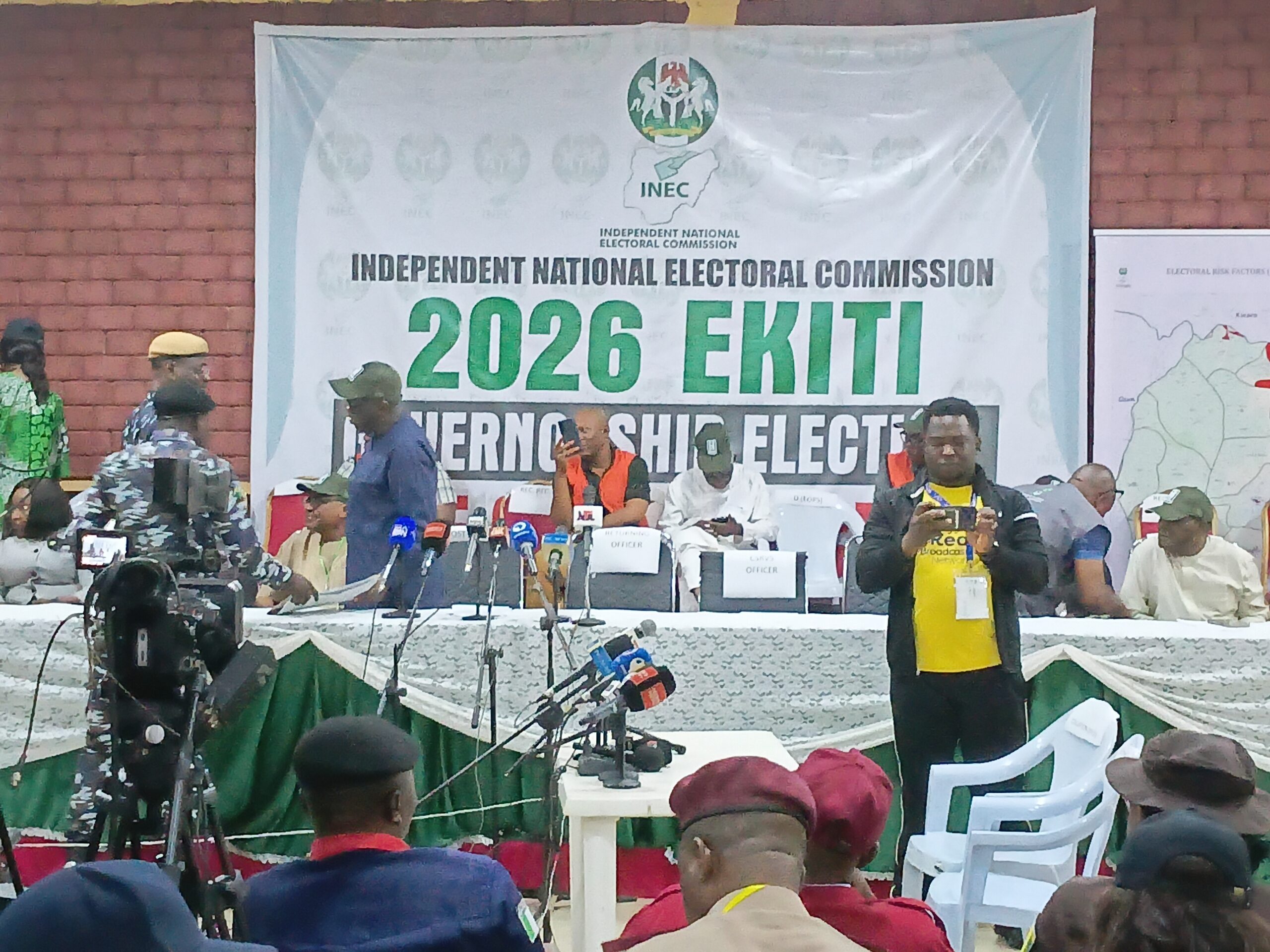
NEW YORK – Polymarket is investigating a string of well-timed and profitable trades on the Israeli election this week in the latest case to raise concerns about potential insider trading on prediction markets.
Just before the polls closed on Oct 27, hundreds of new accounts placed bets that Israeli Prime Minister Benjamin Netanyahu and his Likud party would do better than opponents, according to a Bloomberg analysis of Polymarket’s blockchain ledger.
Those trades quickly became profitable – and together some of the accounts have already cashed out over US$100,000 (S$128,000) – after some exit polls showed that Netanyahu’s party had won more seats than early reports suggested.
Polymarket is reviewing dozens of newly created wallets that traded on the election, the company’s internal investigative team told Bloomberg.
Two data analysis firms that have identified previous prediction-market insider-trading cases, Polysights and Bubblemaps, told Bloomberg that they have also flagged the trades as suspicious and are looking into the activity.
The bets are visible because every transaction on Polymarket’s international cryptocurrency-based exchange is logged on a public ledger using blockchain technology.
The initial analysis is far from conclusive, and it can be hard to separate insider trading from original research or lucky trades, especially in markets with millions of trades happening each minute.
Polymarket separately halted trading on Oct 29 and reached out to law enforcement after users reported funds being stolen. The company said that a third party had been compromised and that trading resumed after about an hour.
Polymarket traders had consistently given opposition leader Gadi Eisenkot a higher chance of becoming the next leader since mid-July, reflecting polling that showed flagging support for Netanyahu. But after the polls closed on Oct 27, Netanyahu’s odds on Polymarket quickly soared to 59% while Eisenkot’s dropped sharply to 21%.
The investigative teams are looking at trading on two markets, one focused on whether Netanyahu will be the next prime minister and another on whether Likud would get the most seats of any party.
The election bets are the latest in a string of well-timed prediction-market wagers around sensitive political events.
Israeli authorities filed charges earlier in 2026 against a military reservist and a civilian for allegedly using secret military information to place wagers on Polymarket related to the country’s security operations in Iran.
In the United States, federal prosecutors brought charges against soldier Gannon Ken Van Dyke, alleging that he had used highly sensitive information about a military operation in Venezuela to reap more than US$400,000 in profit on Polymarket.
Elizabeth Warren, a Democratic senator from Massachusetts, and John Curtis, a Utah Republican in the US Senate, sent a letter on Oct 29 to Polymarket and its main rival, Kalshi, raising concerns about the ability of the exchanges to effectively police insider trading and manipulation in markets tied to elections.
“The identification of isolated instances of improper trading does not demonstrate that these markets are adequately protected,” the senators wrote. “Instead, it raises serious questions about how much similar activity may be going undetected.”
An initial Bloomberg News analysis identified more than 600 wallets that were created on the same day, with no prior trading history, that bet on either Netanyahu winning the election or the Likud party coming out on top. Many wallets have significant gains that have not yet been realised.
One newly created account stands to make roughly US$180,000 in profits if both the Netanyahu and Likud positions pay out. The account received a deposit of about US$39,995 from wallets on the Tron blockchain that had been flagged for malicious activity by blockchain explorers and for having interacted with sanctioned addresses. Bloomberg