KZN accounts for 165 high-risk voting stations ahead of local elections - IOL
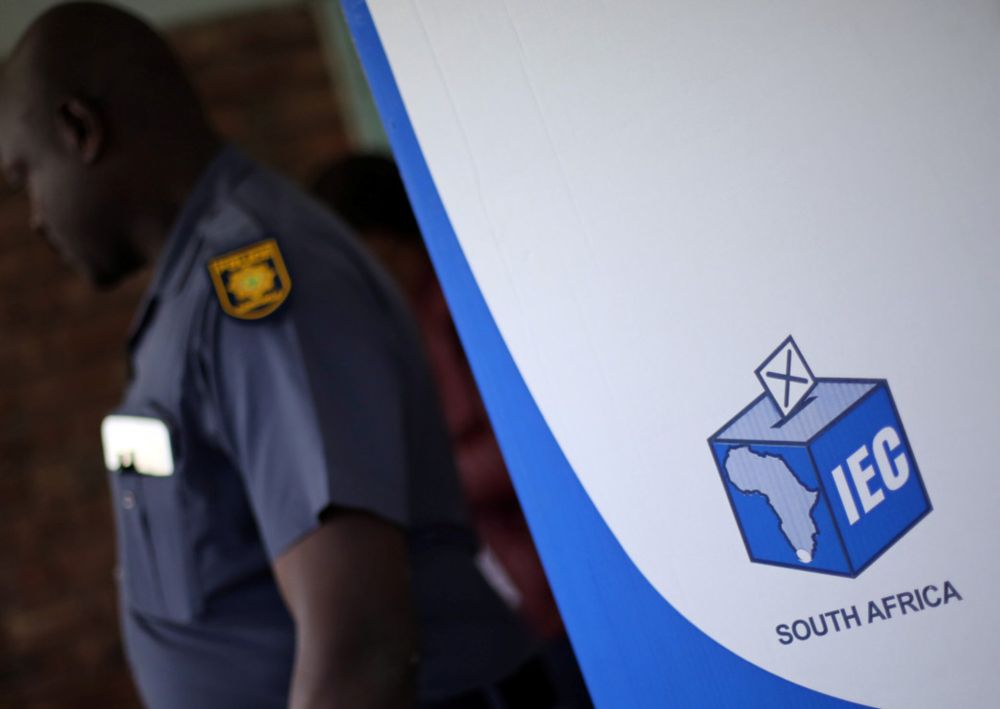
KwaZulu-Natal has the largest concentration of high-risk voting stations, with 124 of its 165 stations located in eThekwini.
Police say enhanced deployments will be in place for the 2026 local government elections.
IOL reported that national police commissioner General Fannie Masemola said the stations had been identified through security assessments as areas with the potential for instability, particularly because of service delivery protests, community unrest and other security-related incidents.
Speaking in Durban on Friday during a briefing on the South African Police Service’s state of readiness, Masemola said the police had completed assessments in all provinces and were confident that the necessary operational plans and security measures were in place.
KwaZulu-Natal had the highest number of high-risk voting stations, followed by Gauteng with 119, the Western Cape with 33, Mpumalanga with 11 and the Eastern Cape with three.
In KwaZulu-Natal, 124 of the 165 high-risk stations are in eThekwini, with 16 in uThukela, 13 in Amajuba, 11 in Zululand and one in Ugu.
Gauteng’s 119 stations are spread across Johannesburg, which has 75, Ekurhuleni with 23, Tshwane with 14, the West Rand with six, and Sedibeng with one.
The 33 high-risk voting stations in the Western Cape are all in the City of Cape Town. Mpumalanga has 11, while the three identified in the Eastern Cape are all in OR Tambo.
North West, Limpopo, the Northern Cape and Free State have no stations classified as high-risk, although they have medium- and low-risk stations.
“We have taken these assessments into consideration in our operational planning and have deployed resources accordingly. Sufficient security measures are in place to address the identified risks, with enhanced police visibility and operational interventions where they are required,” Masemola said.
He said the police had been preparing for the elections for several months through operational planning, risk assessments, resource mobilisation and simulation exercises.
The election security operation will be led by the SAPS, with support from the South African National Defence Force, metro police departments and the State Security Agency.
Senior officers from police headquarters have also been deployed to support provincial operations, while roving operational teams will be available to reinforce deployments where necessary.
Specialised units, including the Special Task Force, National Intervention Unit, Tactical Response Teams, Explosives Units and Hostage Negotiators, have been placed on standby.
Masemola said police deployments would be increased from Monday, when special voting begins, and that officers would work with the Independent Electoral Commission to secure the process.
Police would also oversee the transportation and escorting of ballot papers to voting stations, while members would remain at stations for the duration of voting to maintain law and order.
Masemola said the police were concerned about killings and attacks targeting political party supporters, members and ward candidates in the run-up to the elections.
“These acts of violence have no place in our democracy. No person should lose their life or be attacked simply because of their political affiliation or their decision to participate in the electoral process,” he said.
He warned that the SAPS would not tolerate political intolerance, intimidation or violence, and urged parties to resolve disputes through lawful and peaceful means.
The commissioner also addressed the police’s recent court application concerning marches and public demonstrations in KwaZulu-Natal, saying it was not intended to prevent people from exercising their constitutional right to protest.
The application followed what Masemola described as escalating incidents of violence, intimidation and property destruction associated with marches in and around Durban.
He said two people had been attacked and killed, while 16 vehicles had been burnt or damaged in connection with the incidents.
The SAPS is seeking an interim order to ensure that organisers and participants comply with laws governing public gatherings. This includes restrictions on dangerous weapons, unlawful concealment of identities, assaults and damage to property.
Police are also seeking to ensure that marches follow designated routes and that access to public facilities, including Home Affairs offices, is not obstructed.
“We want to emphasise that the SAPS respects the constitutional right of every person to assemble, demonstrate and present petitions peacefully and unarmed,” Masemola said.
“However, this right must be exercised within the confines of the law and cannot be used to justify violence, intimidation, destruction of property or the infringement of the rights of others.”
He said the police were awaiting the court’s decision and would abide by its ruling.
Masemola said election operations would run alongside the SAPS’s Safer Festive Season operations, with police stations remaining open and continuing to provide services to communities.
“Most importantly, it will be business as usual at our police stations. While additional resources and deployments will be dedicated to election operations, our police stations will remain operational and continue serving communities as they normally do,” he said.
Firearms and dangerous weapons would not be permitted within the boundaries of voting stations, and police would remain deployed for as long as necessary to ensure the voting process was completed safely.
Masemola called on political parties, candidates and their supporters to act responsibly and allow voters to exercise their democratic rights without intimidation or violence.
“The SAPS is ready. Our deployments are in place, our operational plans are being implemented, and we will have sufficient boots on the ground to ensure the safety and security of voters, election officials, candidates and all members of the public,” he said.
“Anyone who seeks to undermine the electoral process through violence, intimidation or criminality will be dealt with in accordance with the law.”