IEC gets parliamentary backing as election risks persist - IOL
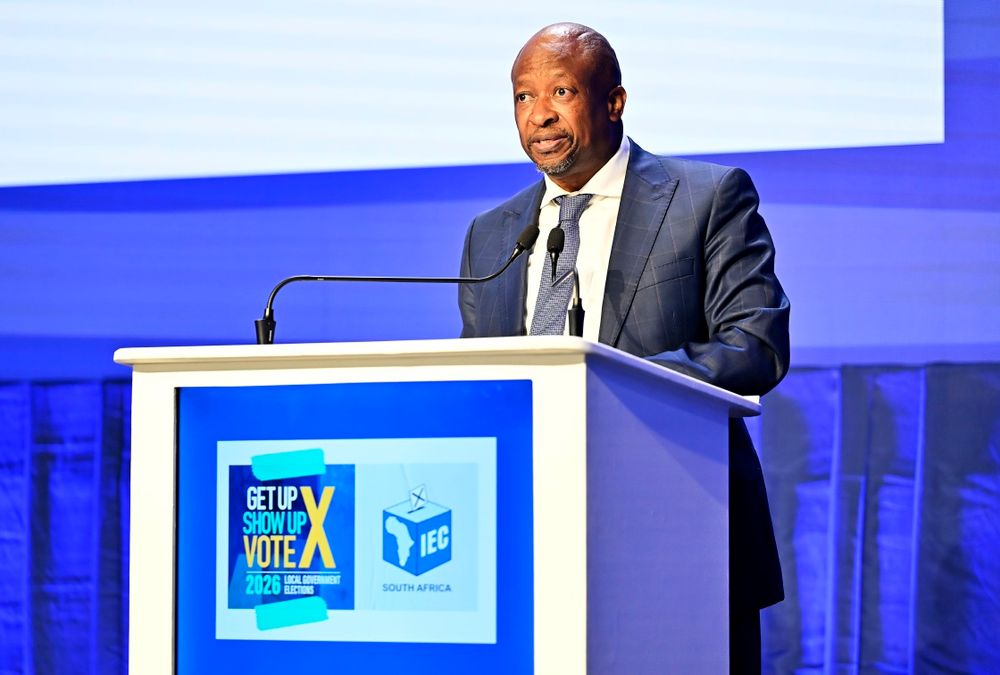
Electoral Commission of South Africa (IEC) Chief Electoral Officer Sy Mamabolo, at the launch of the Local Government Elections National Results Operation Centre in Midrand on October 28.
THE Electoral Commission of South Africa (IEC) has received the green light from parliamentary committees overseeing its preparations for Wednesday’s local government elections, although concerns remain over ballot security, technical challenges, and the potential for political violence.
More than 136 000 candidates are expected to contest 10 526 council seats, with 29.2 million registered voters and more than 2.6 million approved special vote applications.
Three parliamentary committees that conducted an oversight visit to the IEC’s headquarters said they were satisfied with its readiness, while urging the commission to maintain vigilance over technical challenges, ballot security and access to voting stations.
The committees, however, raised concerns about the security of recalled ballots following a Constitutional Court judgment that allowed additional ANC candidates to participate in the elections.
The ruling affected six municipalities and resulted in the inclusion of 181 ANC candidates.
Chairperson of the Portfolio Committee on Co-operative Governance and Traditional Affairs, Zweli Mkhize, stressed the importance of safeguarding the ballots already printed.
“The security of the recalled ballots that had already been printed is critical to prevent any doubt from seeping into the system and creating a perception of a compromised election,” Mkhize said.
Meanwhile, more than 2.6 million special vote applications have been approved - a 131% increase compared with the 2021 local government elections.
Of these, IEC teams will conduct approximately 678 000 home visits, while about 1.9 million voters are expected to cast special votes at their registered voting stations today and tomorrow.
Special votes cater for elderly voters, including people with disabilities, and those who will be voting outside their voting districts.
Voting stations across the country will open at 7am on Wednesday and close at 9pm.
Despite the preparations, concerns about political violence and intimidation in KwaZulu-Natal remain.
KwaZulu-Natal Premier Thamsanqa Ntuli has expressed concern over the potential for political intolerance, intimidation, provocation and violence during the final days of campaigning.
“I therefore call on all political parties, their leadership, candidates and supporters to exercise restraint, demonstrate political maturity and respect one another. We must compete on the strength of our ideas, policies and service delivery commitments, rather than through threats, violence or the destruction of property,” Ntuli said.
In the Western Cape, 55 political parties are expected to contest the City of Cape Town elections, making it a key battleground.
Western Cape Premier Alan Winde has warned against violence in the taxi industry, saying disputes must be resolved within the confines of the law.
Co-operative Governance and Traditional Affairs Minister Velenkosini Hlabisa, who chairs the Inter-Ministerial Committee on Local Government Elections, said they have prioritised election security, including cybersecurity threats, electoral fraud and incidents that could undermine public confidence.
“Government will not tolerate conduct that undermines the electoral process or threatens the safety of voters, candidates, election officials and communities,” he said.
Political analyst Professor André Duvenhage of North-West University said the elections could mark a turning point in South African politics.
“The IEC has done a fine job to be on time, to be well prepared for an extremely comprehensive and difficult election,” he said.
Duvenhage predicted that South Africa was heading into a watershed election, with the ANC expected to lose significant support.
“The expectations are that the ANC is going to lose a lot of support, that the ANC may not even be the strongest party in several metropoles. Coalition politics is going to be even more prominent as was the case in 2021, where we had about seventy-plus hung councils,” he said.