Gauteng targets rape hotspots with 1,022 GBV response teams and more social workers - IOL
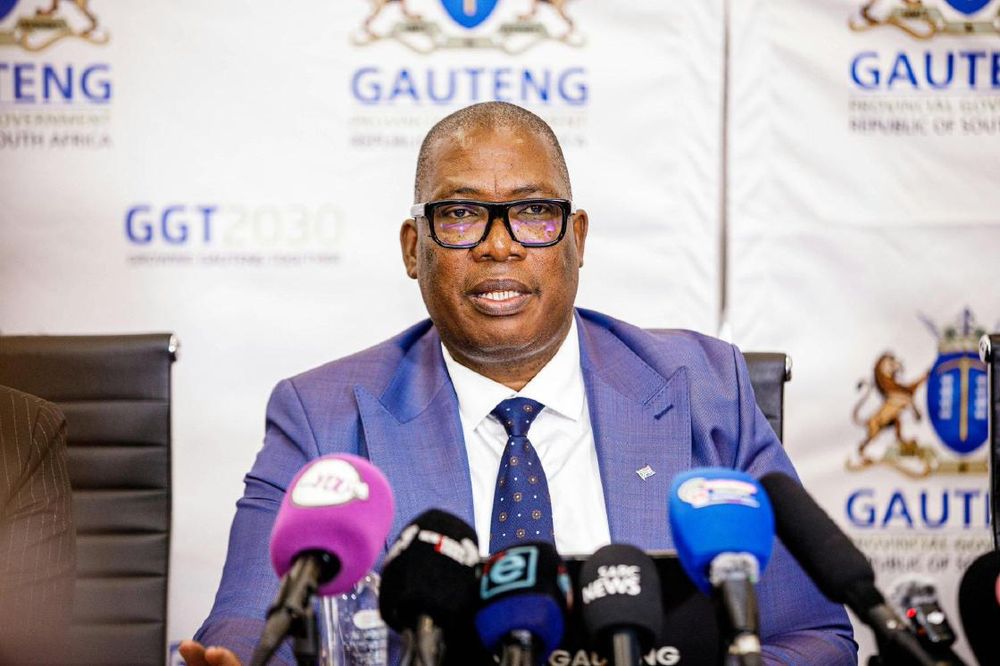
Gauteng Premier Panyaza Lesufi outlines plans to strengthen the province's response to gender-based violence and femicide, including deploying 1,022 response teams across 122 high-risk areas.
Gauteng Premier Panyaza Lesufi has outlined plans to deploy 1,022 gender-based violence (GBV) response teams across 122 high-risk areas as the provincial government intensifies efforts to tackle violence against women and children.
Addressing the province's response to President Cyril Ramaphosa's directives on gender-based violence and femicide (GBVF) on Sunday, November 1, Lesufi said the intervention would also include additional social workers, strengthened specialised courts and improved victim support services.
The measures form part of Gauteng's 90-day intervention programme aimed at addressing the province's GBVF crisis, including outstanding rape and murder cases, forensic backlogs and inadequate safety measures.
Lesufi acknowledged the severity of the crisis and the province's responsibility to respond.
"Gauteng bears a significant share of our nation's gender-based violence and femicide crisis, and we fully accept our duty to act," Lesufi said.
The provincial government has identified 10 police stations recording the highest numbers of rape cases for additional intervention.
Among those identified are Rietgat, Alexandra, Mamelodi, Diepsloot, Ivory Park, Dobsonville, Midrand and Tembisa.
The intervention plan includes deploying 1,022 GBV response teams across 122 high-risk areas and adding 56 social workers to strengthen support for victims and survivors.
The province also plans to strengthen seven specialised Sexual Offences Courts and 144 victim-friendly facilities to improve the handling of cases involving women and children.
Gauteng's 19 Medical Legal Clinics are also expected to play a role in safeguarding forensic evidence and supporting criminal investigations.
The measures follow Ramaphosa's September 29 address, during which he instructed authorities to accelerate investigations into outstanding cases of murder, attempted murder, rape and serious sexual offences involving women and children.
Lesufi said the provincial government had also expanded interventions aimed at providing protection and assistance to GBV survivors.
The province currently has 18 shelters offering 363 beds, alongside seven Thuthuzela Care Centres.
Psychosocial support services have reached tens of thousands of individuals over the past six months, while new referral tools have been introduced across all 43 protection-order courts.
Visible policing has also been intensified in high-risk areas, while technical problems affecting the e-Panic Button application have been resolved.
The province has further expanded integrated CCTV networks as part of efforts to improve community safety while protecting survivors' privacy.
Despite the interventions, Lesufi revealed that the province still had significant work to complete.
Of the 67 directives across five priority areas, only 21 have been fully implemented, while 38 remain underway and eight have not yet started.
The five areas include recovering outstanding criminal cases, addressing forensic backlogs, improving women's safety in public spaces, tackling alcohol-related violence and strengthening support for survivors.
"Despite progress noted above, challenges remain, particularly the forensic backlog, outstanding case recovery information, and the need to accelerate municipal safety interventions," Lesufi said.
"The province is also prioritising improved coordination, accountability and the timely implementation of outstanding directives."
The premier said the provincial government would continue monitoring implementation through weekly meetings and progress reports.
"Protecting our women and children is an absolute priority that demands immediate action, as delayed justice is no justice at all," Lesufi said.