From doctor to Senator: Abdul El-Sayed makes history as first Muslim elected to US Senate, defeats Trump-backed Mike Rogers | Hindustan Times
Abdul El-Sayed has won Michigan's closely watched U.S. Senate race, defeating Republican Mike Rogers, who was backed by President Donald Trump. El-Sayed created history by becoming the first Muslim American elected to the United States Senate, marking a historic milestone for Muslim representation in American politics.
Abdul El-Sayed won Michigan’s closely watched Senate race, making history as the first Muslim American elected to the chamberHe will succeed Democratic Sen. Gary Peters, who is retiring.
El-Sayed, a physician, epidemiologist and former public health administrator, emerged victorious in a fiercely contested race in a state that narrowly supported Trump in the 2024 presidential election. The contest was closely watched nationally because Michigan's open Senate seat was considered important in the battle for control of the chamber.
Abdulrahman Mohamed El-Sayed, popularly known as Abdul El-Sayed, was born and raised in Metro Detroit, Michigan, to an Egyptian immigrant father. A Muslim American, he built his professional career around medicine, public health, research and healthcare policy before entering electoral politics.
His academic background includes a bachelor's degree in biology and political science from the University of Michigan, where he graduated with highest distinction. He subsequently earned a doctorate in public health from the University of Oxford as a Rhodes Scholar and completed his medical degree at Columbia University's College of Physicians and Surgeons in 2014. While Sayed holds a medical degree (MD), he is not a licensed, practicing physician.
Before entering politics, El-Sayed worked as an assistant professor of epidemiology at Columbia University's Mailman School of Public Health, where his research focused on public health systems and health inequalities. He has also authored scientific publications and written about healthcare reform, as per Institute of Politics.
El-Sayed entered public service after establishing himself in academic medicine and public health. In 2015, he was appointed executive director of Detroit's Health Department, becoming one of the youngest major-city health officials in the country. He was tasked with rebuilding the department following its privatization during Detroit's municipal bankruptcy.
During his tenure, his initiatives included improving children's access to free eyeglasses, addressing lead exposure in schools, expanding access to the overdose-reversal medication Narcan and tackling environmental health concerns.
He later served as director of Wayne County's Department of Health, Human and Veterans Services from 2022 to 2025. One of the initiatives associated with his administration involved medical debt relief for residents. His public health experience became a central part of his Senate campaign, particularly his arguments for more affordable and accessible healthcare.
El-Sayed is married to Sarah Jukaku, a psychiatrist whom he met while studying at the University of Michigan. The couple have two daughters, Emmalee and Serene, and live in Ann Arbor, Michigan. His family background has also shaped his public identity: his father, Mohamed, immigrated from Egypt, while his stepmother, Jacqueline, has longstanding family roots in Michigan.
El-Sayed has spoken about his connection to Michigan and his upbringing in the Detroit metropolitan area, presenting himself as someone whose personal and professional experiences are closely tied to the state he now hopes to represent in Washington.
During his Senate campaign, El-Sayed placed healthcare affordability, economic inequality and the rising cost of living at the centre of his agenda. He advocated expanding access to healthcare, strengthening social protections and addressing financial pressures facing working families.
His progressive positions attracted support from prominent Democrats, including former President Barack Obama and former Vice President Kamala Harris. He also received backing from progressive political figures and organisations.
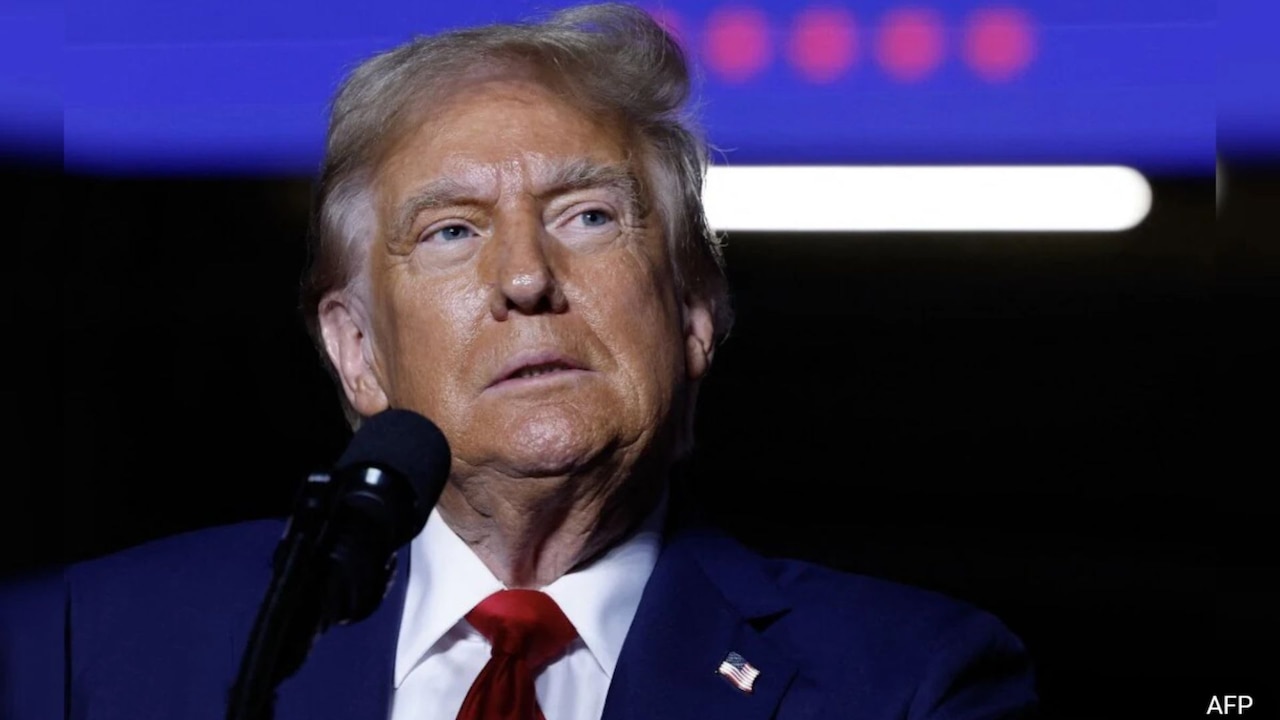
However, his positions on Israel and the war in Gaza became major points of controversy during the campaign. His Muslim identity also became a subject of political attacks, with Trump using inflammatory language to describe him. Rogers, meanwhile, sought to portray El-Sayed as too far to the left for Michigan voters.
“I don’t care how he pronounces my name. I don’t even care that he remembers my whole name. Because he can just go on and call me ‘senator’ after November. I will be Senator Mohamed to you, bro.”
The exchange became one of the most widely discussed moments of the campaign.
The Michigan Senate contest also attracted attention because of an unexpected intervention by Democratic Representative Haley Stevens, whom El-Sayed defeated in the August Democratic primary.
Just days before the general election, Stevens publicly endorsed Republican Mike Rogers, drawing criticism from fellow Democrats. She explained that her decision was motivated by concerns over what she described as hate and El-Sayed's political associations, including his connections to progressive online commentator Hasan Piker.
Stevens had previously criticised Rogers for supporting Trump's political agenda. Her endorsement therefore created divisions within Democratic circles at a crucial stage of the campaign.
El-Sayed responded by highlighting the support his campaign continued to receive, reporting that it raised $1.2 million within four hours of Stevens' announcement, AP reported.
El-Sayed's win represents a landmark moment for Muslim Americans, who have historically had limited representation in the U.S. Senate. Although Muslim Americans have previously served in the House of Representatives and other elected offices, no Muslim American has previously been elected to the Senate.
His victory also adds to the growing diversity of the Democratic Party's congressional representation and bring a public health specialist with experience in local government into the Senate.
For Michigan, the result marks a significant political development in a state that has repeatedly played a decisive role in national elections. For El-Sayed, it represents a transition from academic research and public health administration to the highest legislative chamber in the country.
Shweta Kukreti has over 8 years of experience in covering Indian and world politics. She joined the Hindustan Times in 2024 and is primarily assigned to the US desk. She currently works as Deputy Chief Content Producer and reports on a wide range of topics, including US politics, immigration issues (especially H-1B visa) and major global events. Shweta strongly emphasizes team operations, which encompasses monitoring news, delegating tasks, editing, developing comprehensive coverage strategies, and crafting engaging, and data-informed narratives. She received the Digi Star Award at the Hindustan Times within a year of joining for her broad coverage of US politics. In 2025, she earned both a promotion and a redesignation, a significant achievement recognising her contributions and the strong value she brings to the team. She has previously worked with the Indian Express, HTDS, ANI and Republic World. Seniors in all the media organisations recognised her work. Regarding education, she earned a BA (Hons.) in Political Science and a master's degree from Delhi University, and she pursued a PG Diploma in English Journalism from the Indian Institution of Mass Communication (IIMC). She also holds a diploma in Women's Empowerment and Development from IGNOU University and a French certification course from Alliance Française de Delhi. If not working, you can find her exploring the hills and engaging in adventurous activities in Rishikesh and Himachal Pradesh. She loves to play badminton, volleyball, and chess, and spend time with her friends and family. She also enjoys spiritual activities.Read More