Durban business raises alarm over port crisis, cheap imports and SME barriers - IOL
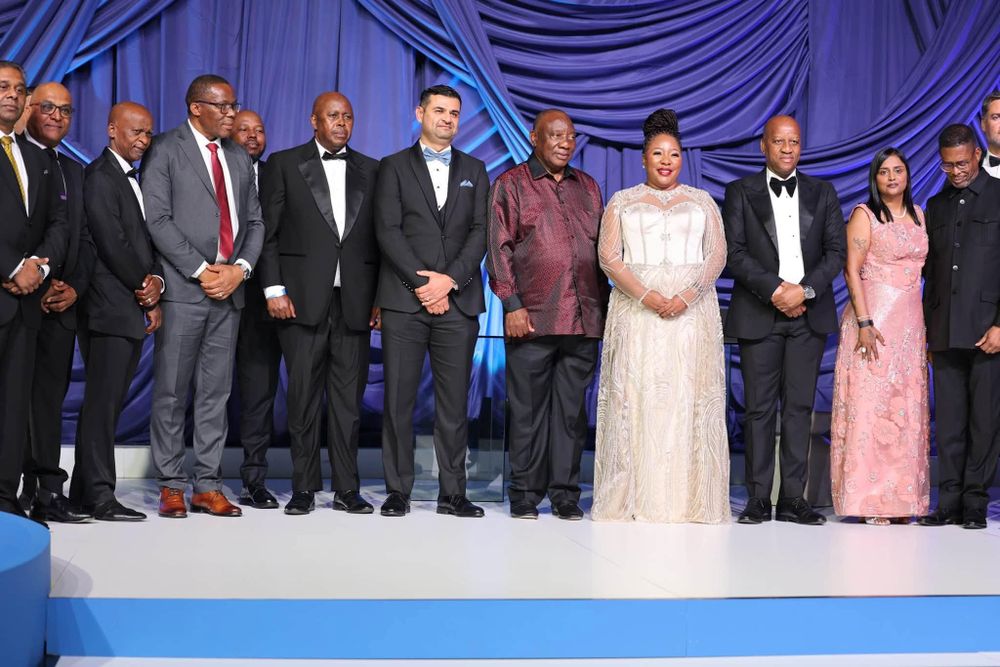
As South African businesses struggle amid relentless pressures, the Durban Chamber of Commerce and Industry’s plea for presidential intervention highlights the urgent need for comprehensive strategies to rescue local industries and create jobs.
Durban - The CEO of the Durban Chamber of Commerce and Industry, Palesa Phili, has called for direct intervention from President Cyril Ramaphosa on three critical issues affecting business in the city: the port crisis, cheap imports flooding through Durban, and barriers facing SMEs.
In a candid address at the Chamber's 170th anniversary dinner, Phili said that while good investment is coming into the South Coast and eThekwini, local industry is under severe pressure.
Phili said the city is on the frontline of the influx of cheap imports and counterfeit goods entering the country, because Durban is home to the biggest port.
"When all these products come in, they start right here with us, affecting our industries," she said.
She told the President that the Chamber is working closely with the International Trade Administration Commission (ITAC) and its Commissioner, Ayabonga Cawe, who has provided some relief for the agricultural sector, but more needs to be done for other industries.
Phili called for the full use of existing legislation, including the International Trade Administration Act 72 of 2002, to protect local industries from unfair imports, and for stronger action against counterfeit and under-invoiced goods.
The CEO described the situation at the Port of Durban as dire.
She said that while former Transnet leadership had stabilised the port after a very bad period, conditions have deteriorated again in recent months.
"We have lost vessels that waited for days outside the port. There are manufacturers who have had to close sections because they don't have inputs that have been waiting for days, sometimes more than 10 days, coming out of the port," she said.
Phili said importers are also struggling to get raw materials due to delays, and that private sector investors are ready to support Transnet.
She appealed to the President to support Transnet Group CEO Michelle Phillips and her team to urgently fix the port.
"We cannot afford to have the port in the state that it is in right now. It is taking us back all those years."
Phili said a major obstacle to Transnet's recovery is its R150 billion debt burden, which dominates the KPIs of its executive.
"The majority of the time they are focused on those KPIs. We plead that you consider moving that debt or restructuring it at National Treasury, so that Michelle and her team are able to work efficiently and focus on fixing the ports," she told the President.
In her final point, Phili raised the low contribution of SMEs to employment in South Africa.
She said that in other emerging markets such as Brazil and China, SMEs employ about 80% of the workforce, while in South Africa the figure is around 40%, according to Stats SA.
She listed barriers to SME growth including electricity, infrastructure, high rentals, access to finance and labour market regulation, and asked the President to address these to help create much-needed jobs.