Daylight savings will end this weekend for most Ontarians - Toronto Star
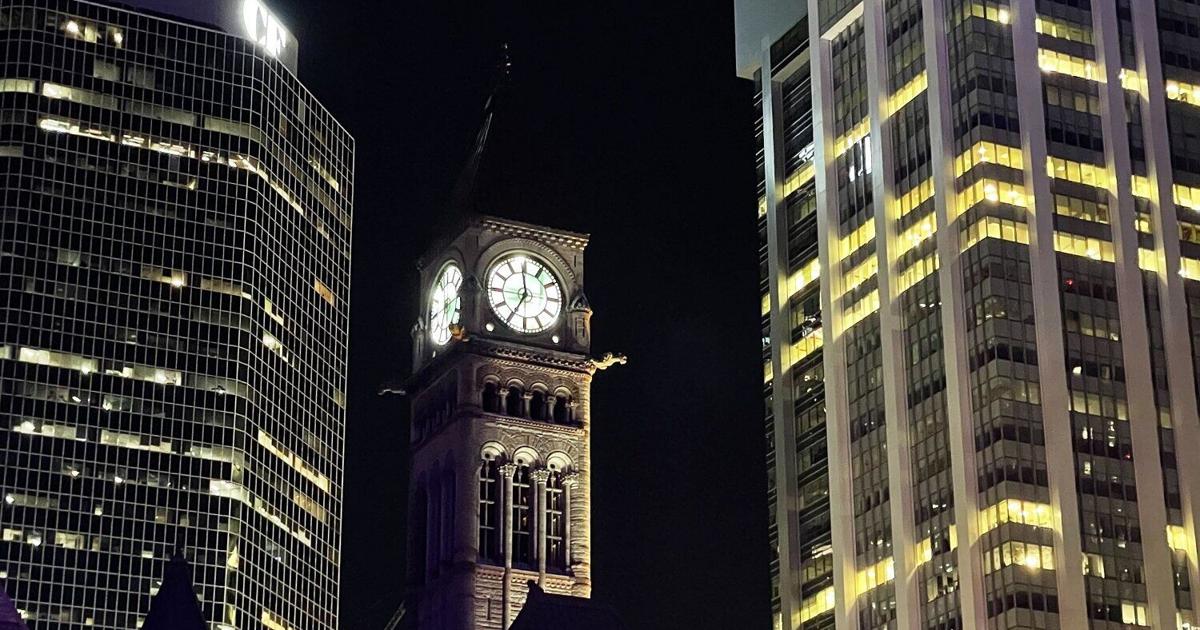
While most Ontarians will turn their clocks back an hour this weekend, some communities in the province will no longer have to make the switch.
The clocks will go back an hour on Sunday morning.
Most Ontarians will get an extra hour of sleep this weekend as daylight saving time comes to an end, but for some residents in the province, changing the clock could soon be a thing of the past.
Daylight saving time will end at 2 a.m. on Sunday, Nov. 1, when clocks will be turned back one hour to 1 a.m.
The change means brighter mornings but earlier sunsets as Ontario returns to standard time.
Most smartphones, computers and other internet-connected devices will adjust automatically, although clocks on appliances, watches and other devices may need to be changed manually.
Daylight saving time began this year on March 8, when clocks moved forward by one hour.
The debate around daylight saving time is nothing new, but recent changes have brought the conversation back into the forefront.
Earlier this month, Kenora and other northwestern regions of Ontario decided to adopt permanent DST in order to be better aligned with neighbouring areas in Manitoba. Manitoba is one of the six provinces and territories that do not turn clocks back and forward.
The decision follows Manitoba’s announcement in September that it would stop changing its clocks twice a year beginning Nov. 1
Ontario has since filed a regulation allowing communities west of the 90th meridian to remain on the same time year-round.
The move is intended to keep communities along the provincial border aligned, making it easier for residents and businesses to co-ordinate travel, health-care appointments and other services.
In Kenora, more than 93 per cent of respondents to a municipal survey supported permanent daylight saving time, and city council subsequently voted unanimously in favour of the change.
Why hasn’t Ontario ended daylight saving time altogether?
Ontario passed legislation in 2020 that would allow the province to adopt permanent daylight saving time.
However, the legislation has not been brought into force across the province.
The provincial government has previously said it wants to co-ordinate the change with neighbouring jurisdictions, particularly Quebec and New York, because of their economic ties to Ontario.
For Toronto and much of the province, that means the twice-yearly clock changes will continue.
Daylight saving time is intended to make better use of daylight during the warmer months by shifting an hour of sunlight from morning to evening.
Clocks move forward in the spring, giving people more daylight later in the day, before moving to standard time in the fall.
How does the time change affect your health?
An extra hour of sleep might sound appealing, but changing the clocks can still disrupt the body’s internal schedule.
The body’s circadian rhythm, which regulates sleep and wakefulness, is influenced by natural light. Changes in the timing of sunrise and sunset can affect when people feel tired or alert.
According to the American Academy of Sleep Medicine, seasonal clock changes can disrupt sleep and affect mood, although the health risks associated with the spring transitions are generally more pronounced.
How can you prepare for the time change?
Maintaining a consistent sleep schedule in the days leading up to the change can help make the transition easier.
Getting natural light in the morning can also help regulate the body’s internal clock, while keeping regular bedtimes and wake-up times may reduce disruptions to sleep.
People particularly sensitive to changes in their sleep schedules may benefit from gradually adjusting their routines before Sunday.
Megan Mills Devoe is a staff reporter with the Star. Reach her via email: mmillsdevoe@thestar.ca
Samm Mohibuddin is a staff reporter with the Toronto Star. He can be reached at smohibuddin@thestar.ca