Commentary: Israel's indecisive election reveals deep fault lines - CNA

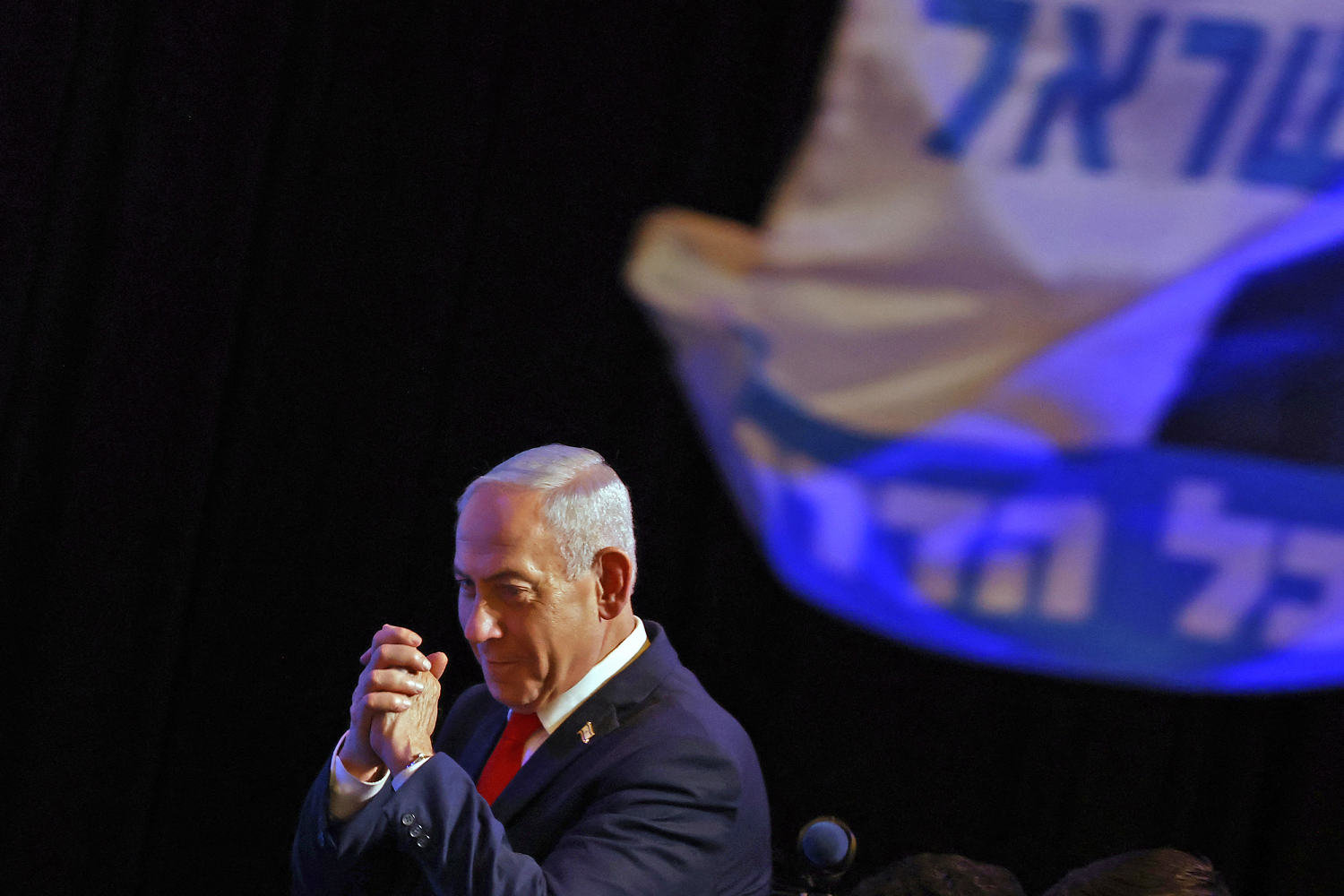
The election was seen as a referendum on Prime Minister Benjamin Netanyahu, and it looks like Likud will remain the largest party in parliament, says NUS Middle East Institute’s Jean-Loup Samaan.
A screen projects an image of Israeli Prime Minister Benjamin Netanyahu, left, and his main rival, opposition candidate Gadi Eisenkot, leader of the Yashar party, during a campaign rally for Eisenkot ahead of Israel's general election on Oct 25, 2026, in Tel Aviv. (Photo: AP/David Goldman)
This audio is generated by an AI tool.
Jean-Loup Samaan 29 Oct 2026 05:59AM (Updated: 29 Oct 2026 08:54AM) Bookmark Bookmark Share WhatsApp Telegram Facebook Twitter Email LinkedIn Set CNA as your preferred source on Google Add CNA as a trusted source to help Google better understand and surface our content in search results. Read a summary of this article on FAST. Get bite-sized news via a newcards interface. Give it a try. Click here to return to FAST Tap here to return to FAST FAST SINGAPORE: Israelis turned out on Tuesday (Oct 27) in the highest numbers since 1999 to decide who should govern them. But the election reveals a country too fragmented to give a clear answer.
It was the first election since Hamas launched its terrorist attacks on Oct 7, 2023 that killed some 1,200 people in Israel and triggered a series of wars from Gaza to Lebanon and Iran.
Early indications are that the result will be inconclusive, leaving the two main contenders, incumbent prime minister Benjamin Netanyahu and his rival Gadi Eisenkot, in a deadlock. Final results may only be known by the end of this week, but neither camp appears able to secure a 61-seat majority in the 120-member parliament, the Knesset.
Still, based on the latest exit polls (as of 12pm on Wednesday), three takeaways reveal the deeper fault lines in Israel’s politics.