
Can silver economy pitch, a new law alone protect Kerala's elderly?
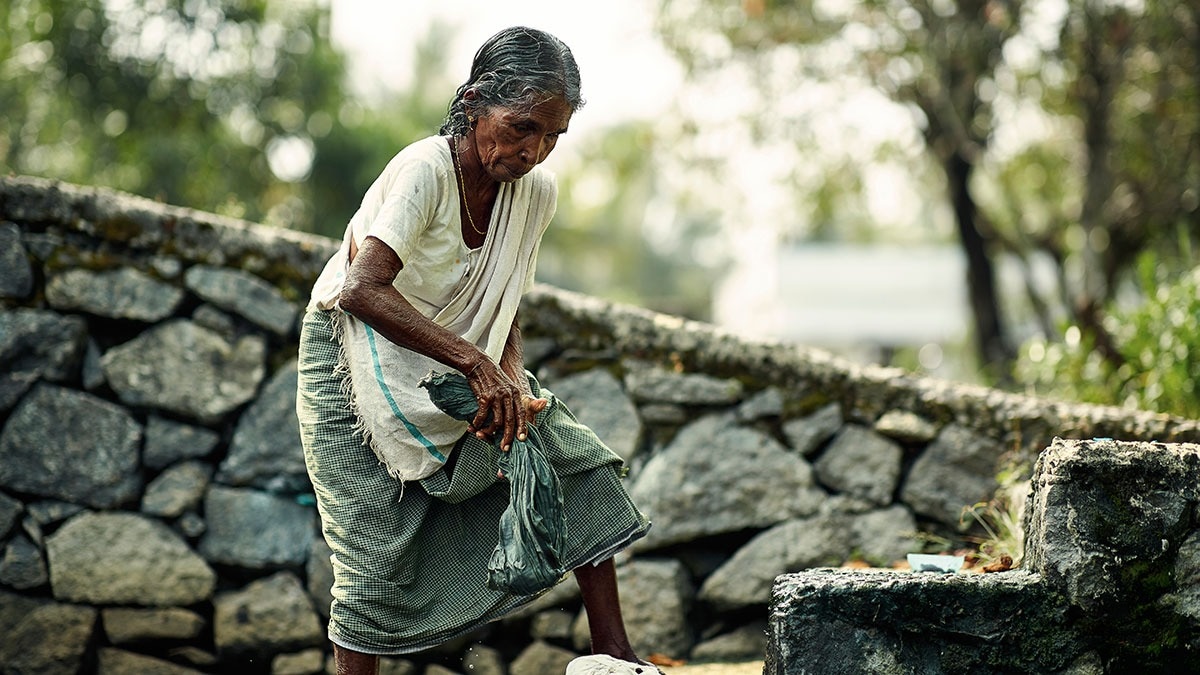
The Kerala legislative assembly recently unanimously passed the Senior Citizens’ (Care and Protection of Rights) Bill 2026, its main thrust being the silver economy and preventing the neglect and exploitation of elderly people.
Although socially conscious and highly literate, Kerala has not been all that geriatric friendly. Over the past seven decades, the state advanced on social indices while lagging behind economically despite a thriving remittance economy supported by an estimated 2.2 million non-resident Keralites (NRKs), who send home over Rs 2.16 lakh crore annually. In addition, thousands of students from the state are enrolled in foreign universities and engaged in temporary jobs in their destinations.
Kerala has over 36 million people. It’s a state that’s not only ageing very fast and boasts of one of the highest life expectancies in India—an average 75.1 years. By some estimates, the elderly (above 60 years) are expected to constitute around 21 per cent of the population by 2031.
The state’s economic and census data indicate Pathanamthitta district has the highest population of elderly (17.9 per cent) followed by Kottayam (15.9 per cent) and Alappuzha (15.2 per cent). Pathanamthitta district has the lowest population growth in the state. Its decadal population growth rate for 2001-11 was a negative 3.12 per cent.
A growing senior population means more social responsibilities for the government. In that sense, how far does the passage of the Senior Citizens’ (Care and Protection of Rights) Bill help? “Data indicates Kerala is ageing fast. Although the government brought in a bill with provisions to safeguard the interests of the elderly, that alone may not entirely solve the complex problems of this segment,” remarked Justin George, a 65-year-old retired high school teacher in Punalur, Kollam district.“What about the poorest of the poor who have entered their elderly years and face destitution? Many of them have lost their partners or are abandoned. It is the government’s responsibility to feed them and provide medical care. Only then will this whole exercise become meaningful,” said George.
A huge segment of Kerala’s elderly needs vigilant medical care. Studies have indicated high prevalence of hypertension, diabetes and other chronic health conditions among them. Besides, there are challenges of visual and hearing impairment and mobility restrictions.
Among elderly women, scores are widows with no financial support. Former information commissioner K. Sudhakaran tells INDIA TODAY the need of the hour is a “collective response” for elderly welfare. “The government must set up geriatric care centres in every district and provide the best medical care,” he said.
Calling the silver economy pitch merely a campaign of words, he asked: “Does the government employ 60-plus persons in capacity-building programmes? Do corporates employ them? We need real action on the ground to save senior citizens from peril.”
Clearly, it is the missing factors that hold the key. Legislations or campaigns would mean little if society cannot prevent the elderly from landing on the streets. Guruvayur, a pilgrimage hotspot in Kerala, carries the huge burden of elderly people being dumped by their children. Police invariably send these people to destitute homes run by charities.
While Jiji Thomson, former chief secretary of Kerala, feels the new legislation would create a regulated eldercare system, the need he says is of a comprehensive and adequately funded social security cover for poor elders. “There is a fundamental difference between protecting an elderly person from exploitation and ensuring that elders have enough to eat, a roof over their heads and access to medicines. The real measure of this legislation should be, say, the life of an impoverished 80-year-old widow in a remote Kerala village, not the quality of services available in well-equipped retirement homes in Kochi or Thiruvananthapuram. Old age must not become a punishment because one is poor,” he said.
