
Can Democrats reverse Trump's H-1B policies? What US midterms mean for immigrants
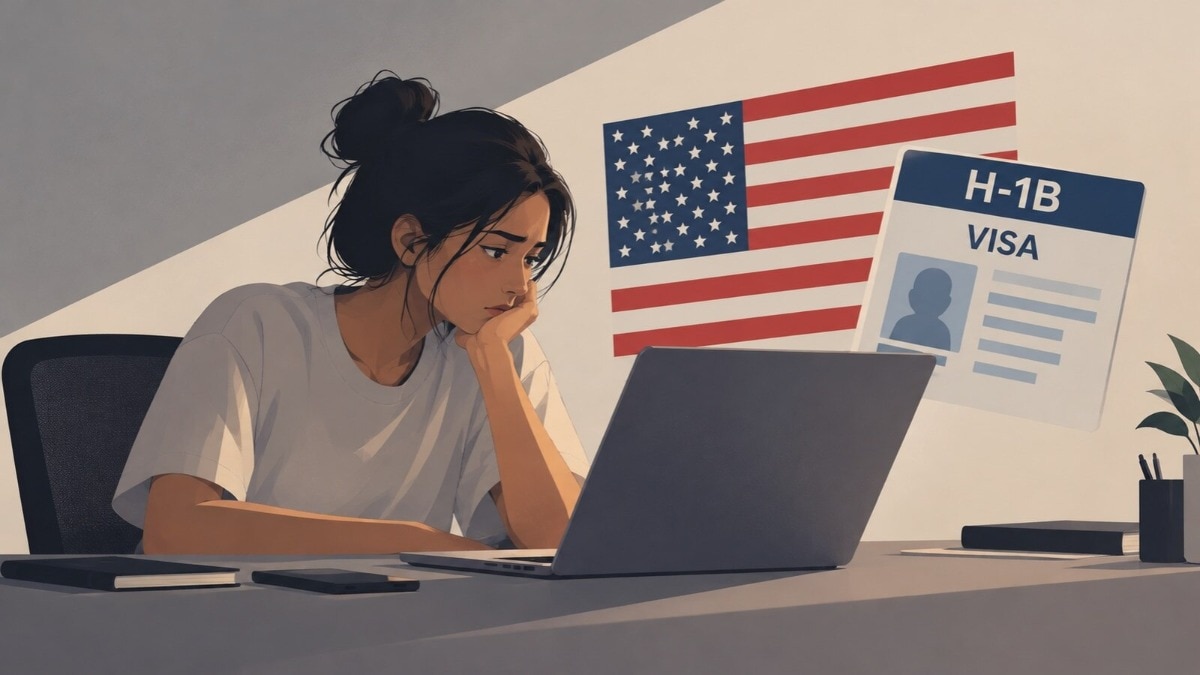
A shift in the political balance of the US Congress following the midterm elections may create fresh opportunities to debate immigration policy, but it is unlikely to result in an immediate reversal of the Trump administration's restrictions on H-1B visas and employment-based immigration.
Despite expectations among some immigrant workers and applicants, a change in congressional leadership does not automatically undo policies introduced through executive orders, federal regulations and administrative decisions.
The distinction between political change, legislative reform and administrative action is crucial to understanding what the election results could mean for foreign workers in the United States.HOW IMMIGRATION POLICIES ARE IMPLEMENTED
The Immigration and Nationality Act (INA) provides the statutory framework for the US immigration system. Congress determines the broad legal structure, including employment-based immigration provisions and numerical limits for several visa categories.
However, the federal government also has considerable authority to administer these laws. Agencies such as the Department of Homeland Security (DHS), US Citizenship and Immigration Services (USCIS), Department of State and Department of Labor implement immigration policies through regulations, executive actions, policy guidance and administrative procedures.
Several changes affecting the H-1B programme have been introduced through these mechanisms. For instance, a DHS final rule introducing a weighted selection process for H-1B registrations was published in December 2025 and took effect in February 2026.
The system generally gives greater weight to registrations for higher-paid and higher-skilled positions.
The administration has also introduced additional restrictions and costs through presidential proclamations and other administrative measures.
Such policies do not automatically lapse when the composition of Congress changes.WHAT A DEMOCRATIC MAJORITY CAN DO
A Democratic majority in one or both chambers of Congress could increase scrutiny of the administration's immigration policies. Lawmakers could conduct investigations, hold hearings, question officials and use congressional oversight to examine how immigration rules are being implemented.
They could also introduce legislation to amend existing immigration laws, influence government funding decisions and challenge proposed policy changes.
However, these powers do not give Congress the authority to immediately repeal every existing immigration regulation. A regulation that has been finalised generally remains in force unless it is amended or withdrawn by the relevant agency, invalidated by a court or superseded by legislation.
Any legislative effort would also have to clear the required stages in Congress and receive presidential approval. If President Donald Trump rejects a bill, lawmakers would need the necessary support to override his veto.
Therefore, even a significant change in congressional representation may not translate into immediate relief for H-1B workers.WHY REVERSING ADMINISTRATIVE RULES TAKES TIME
The executive branch can reverse or modify several immigration policies, but the process depends on how they were introduced.
Certain executive orders can be rescinded through a subsequent presidential order. Formal regulations, however, generally require agencies to follow established rulemaking procedures. This may involve publishing proposed changes, inviting public comments and issuing a final rule.
The process can take months or longer. Any proposed reversal may also face legal challenges, particularly if the administration is accused of exceeding its statutory authority or failing to follow required procedures.
As a result, even a government that wants to change an existing immigration policy may not be able to provide immediate relief.WHAT H-1B WORKERS CAN EXPECT
For H-1B visa holders and prospective applicants, the distinction between administrative changes and legislative reform is particularly important.
Several aspects of the programme, including registration and selection procedures, employer compliance requirements, petition adjudication and certain employment-related rules, are governed by regulations and administrative procedures. These may be modified by the relevant agencies.
However, broader changes involving statutory visa caps, employment-based immigration backlogs and the overall structure of permanent residency pathways would require congressional action.
A change in congressional leadership does not automatically alter the rules under which USCIS processes applications or employers sponsor foreign workers.advertisementIMMIGRATION REFORM WOULD REQUIRE POLITICAL NEGOTIATIONSMeaningful and lasting relief for employment-based immigrants may ultimately depend on a broader immigration reform agreement between the White House and Congress.
Such an agreement could address employment-based immigration backlogs, H-1B programme rules, visa availability, processing delays and pathways to permanent residency.
However, reaching a deal would require negotiations between the Trump administration and congressional Democrats. Both sides would need to identify areas of agreement and make compromises.
Democrats may have to reconsider some of their demands, while Republicans and the administration would need to consider reforms that address the needs of employers, skilled foreign workers and immigrant families.
The outcome would depend on the political willingness of both sides to negotiate. A congressional majority alone cannot guarantee that such an agreement will be reached.MIDTERMS CREATE OPPORTUNITY, NOT AN IMMEDIATE POLICY REVERSAL
The midterm elections could change the political environment in Washington and create opportunities for greater oversight, negotiations and legislative action on immigration.
However, they should not be mistaken for an automatic reversal of existing policies. Measures introduced through executive authority and administrative rule-making will continue to govern immigration applications unless they are legally changed.
For H-1B workers and other employment-based immigrants, the immediate expectation should therefore remain measured. The election results may create political pressure for reform, but meaningful relief will require legally effective administrative changes or a negotiated legislative agreement.
Until such changes are implemented, the existing immigration framework will continue to apply to workers, employers and applicants seeking permanent residency in the United States.- Ends
Rohit Sharma is an award-winning journalist residing in Washington DC. His expertise and insightful pieces are regularly showcased on esteemed news channels and news websites.
Rohit's reputation as a respected journalist has earned him invitations as a guest speaker on prestigious platforms including BBC and many others News Channel. Notably, his work has been published in six Indian languages, showcasing his remarkable versatility and widespread impact in the field of journalism.


