Bolivia declares emergency as El Nino intensifies, threatens severe weather
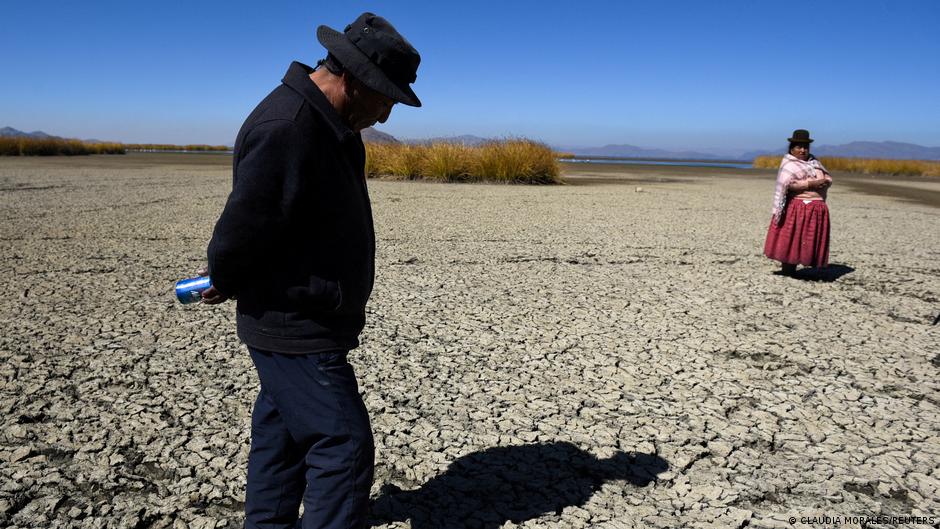
The drought has already taken a toll on livelihoods and livestock in Bolivia [FILE: August 3, 2023]Image: CLAUDIA MORALES/REUTERSAdvertisementBolivian President Rodrigo Paz has declared a national state of emergency to mobilize resources and strengthen disaster response as the country braces for severe droughts and flooding linked to the El Nino weather phenomenon.
"This will be a phenomenon that will have very severe impacts in terms of drought and floods, and we need the cooperation of all institutions," Paz said.
The president's decree allows the deployment of additional rescue teams and calls for coordination between national and regional authorities, the armed forces and police.
Authorities have also warned of potential floods, flash floods, and landslides as the rainy season begins.
El Nino is a periodic warming of sea surface temperatures in the equatorial Pacific that disrupts global weather patterns, often bringing drought to some regions and heavy rainfall to others.
The current El Nino developed in June and has strengthened rapidly since. It is now on course to become an exceptionally strong — sometimes called "super" — El Nino.
Researchers have estimated that the unusually high temperatures linked to the current El Nino could cause around 451,000 excess deaths worldwide from June 2026 to February 2027.
The United Nations has described the current El Nino, which is expected to peak in December, as "heading off the charts." Its impact could last years, with the UN urging nations in the Pacific to prepare for the worst.