Australia’s central bank lifts rates to 18-year high of 4.85% - The Business Times
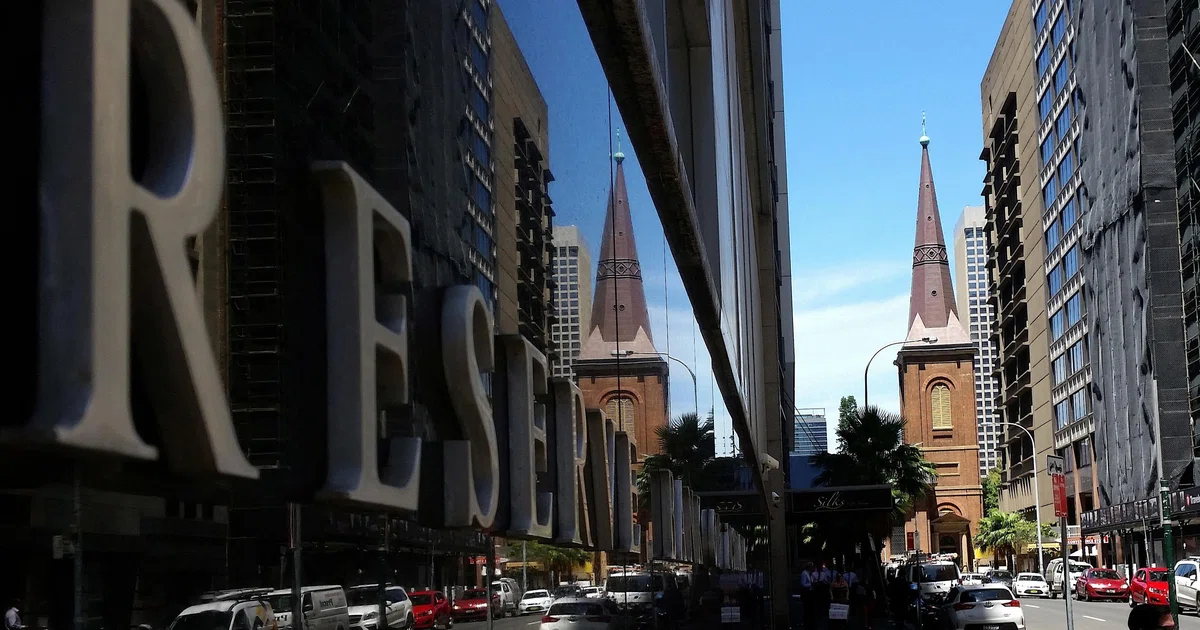
[SYDNEY] Australia’s central bank raised its cash rate to an 18-year high of 4.85 per cent on Tuesday (Nov 3) in its fifth hike of the year, though the vote was closer than many expected with three of the nine board members wanting to stay on hold.
Wrapping up its November policy meeting, the Reserve Bank of Australia’s board lifted rates by 25 basis points to 4.85 per cent and said it would continue to do what it considers necessary to bring inflation to target. However, it did remove a reference to increasing the cash rate further if needed.
The Aussie dollar slipped 0.3 per cent to US$0.6979 and three-year government bond futures fell 3 ticks to 95.14. Markets are wagering the RBA will be on hold in December after the split vote.
Thirty of 32 economists polled by Reuters expected a hike, while markets implied an 88 per cent chance of a move after hot third-quarter inflation data and hawkish commentary from policymakers eclipsed concerns about unemployment climbing to a five-year high.
“Given the revised inflation outlook and the continuing upside risks, the Board judged that a further tightening in financial conditions is warranted to support the return of inflation to target,” the board said in a statement.
“The Board will continue to do what it considers necessary to bring inflation sustainably back to target.”
The RBA’s 125 basis points of tightening this year has more than reversed the 75 basis points of policy easing from 2025, putting Australia at the hawkish end of developed market central banks.
Elsewhere, the Federal Reserve stayed on hold this month while the Reserve Bank of New Zealand stunned markets by pausing in a razor-thin vote.
Australian policymakers fear elevated oil prices could feed into broader price pressures in the economy and unmoor inflation expectations. Underlying inflation accelerated to a two-year high of 3.7 per cent in the third quarter, after spending more than five years above the central bank’s 2 per cent to 3 per cent target band.
The policy tightening has been felt most acutely in the housing market, which is on track for its biggest downturn in four decades. The slump is expected to curb household spending through negative wealth effects and ripple across industries tied to housing turnover, from real estate agencies and conveyancing firms to removal companies.
The labour market has also softened, with the unemployment rate hitting a five-year high of 4.7 per cent, but the central bank still judges it to be a little tight and a source of inflationary pressures.
Australia’s economy has slowed under the weight of higher borrowing costs, but not enough to ease inflation concerns, with a data centre investment boom continuing to fuel demand in an economy constrained by limited supply.
“As we see it, given the need to get inflation down, the risks are rising that Australia’s economy will have a harder landing - or even a recession,” said Paul Bloxham, chief economist, Australia, NZ & Global Commodities, at HSBC.
“The RBA’s options have become much more limited. The hope for a ‘narrow pathway’ to full employment and on-target inflation - at the same time - has faded.” REUTERS
Decoding Asia newsletter: your guide to navigating Asia in a new global order. Sign up here to get Decoding Asia newsletter. Delivered to your inbox. Free.
Could Japan trigger the next global financial crisis?